
Sneakers for Kids: How to Choose the Right Pair
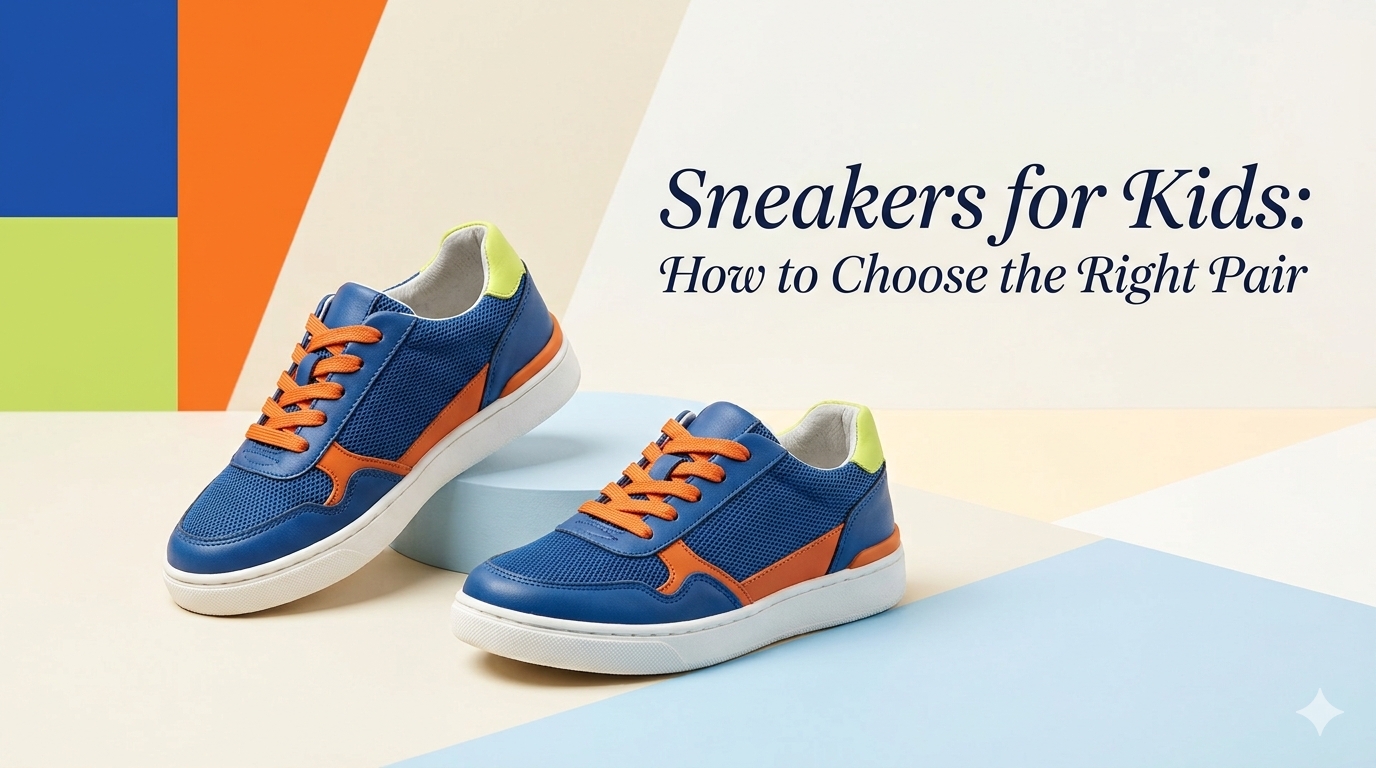
Sneakers are one of the most important footwear choices in a child’s wardrobe. Kids wear them for school, outdoor play, sports, family outings, travel, and everyday activities, so choosing the right pair requires more than simply picking a favorite color or trendy design.
The right sneakers for kids should provide a comfortable fit, enough room for natural movement, suitable support, breathable materials, and durable construction. Since children’s feet grow quickly and their daily activities can be demanding, parents need to consider both immediate comfort and practical use when shopping for new shoes.
Whether you are buying sneakers for a toddler taking their first steps, a school-age child, or an active teenager, understanding the important features can make the selection process easier.
Why the Right Sneakers Matter
Children spend a significant amount of time walking and moving around. Shoes that do not fit properly can become uncomfortable and may make everyday activities more difficult.
Good sneakers should allow children to:
- Walk comfortably
- Run and jump
- Bend their feet naturally
- Participate in activities
- Stay secure while moving
- Wear the shoes for extended periods
The right pair should feel comfortable from the beginning rather than requiring a long period of discomfort to become wearable.
Measure Your Child’s Feet
One of the first steps when choosing sneakers for kids is finding the correct size.
Children’s feet can grow quickly, so avoid relying only on the size of their previous shoes. Measure their feet regularly, especially before purchasing a new pair.
It is useful to measure both feet because one foot may be slightly larger than the other. Choose the size that accommodates the larger foot comfortably.
When possible, measure feet later in the day when they may be slightly larger than in the morning.
Leave Enough Toe Room
Children need enough space at the front of their shoes for their toes to move naturally.
The sneakers should not press against the toes when the child is standing or walking. At the same time, excessive extra space can cause the foot to slide around inside the shoe.
A comfortable amount of room allows for natural movement without making the shoe feel loose.
Check the Width
Length is not the only consideration when choosing children’s sneakers. Width also matters.
Some children have narrow feet, while others need wider footwear. A shoe that is the correct length but too narrow may feel uncomfortable.
Look for sneakers that provide enough room across the widest part of the foot without squeezing it.
Choose Flexible Soles
Children’s sneakers should generally allow natural foot movement. A flexible sole can make walking, running, and playing more comfortable.
Try gently checking whether the shoe bends naturally in the appropriate area. Avoid extremely rigid everyday sneakers unless they are specifically designed for an activity that requires them.
Flexibility should be balanced with enough structure to keep the shoe stable and secure.
Look for Comfortable Cushioning
Cushioning can make sneakers more comfortable during walking and active play.
The amount of cushioning needed depends on the child’s age and activity. Everyday sneakers may require moderate cushioning, while sports shoes may have additional cushioning designed for specific movements.
Too much emphasis on softness alone is not necessary. Overall fit and comfort are more important than simply choosing the most heavily cushioned shoe.
Breathable Materials
Children’s feet can become warm during active play, especially in hot weather.
Breathable materials can help improve airflow and comfort. Mesh panels and lightweight textile materials are commonly used in athletic-style sneakers for this reason.
For school and everyday use, breathable shoes can be especially useful when children wear them for several hours.
Durable Construction
Children can put a lot of wear on their shoes. Running, climbing, jumping, and outdoor play can quickly damage poorly made footwear.
Look for sneakers with:
- Strong stitching
- Durable soles
- Secure heel construction
- Reinforced toe areas
- Quality fasteners
- Reliable materials
A durable pair may cost more initially but can be more practical when it withstands regular use.
Easy Fastening for Younger Kids
Young children may not yet know how to tie shoelaces. Easy fastening systems can make getting ready for school or outdoor activities much simpler.
Popular options include:
- Velcro straps
- Elastic laces
- Slip-on designs
- Combination closures
As children become more independent, traditional laces can help them develop useful dressing skills.
The most important consideration is that the shoes remain securely fastened during movement.
Sneakers for Toddlers
Toddlers need particularly comfortable and flexible footwear because they are still developing their walking skills.
Choose lightweight sneakers with flexible soles and enough room for the toes.
Avoid unnecessarily heavy or rigid designs. Simple fastening systems can also make shoes easier for parents and toddlers to manage.
Check the fit frequently because young children’s feet can change size quickly.
Sneakers for School
School sneakers need to balance comfort, durability, and school requirements.
If the school has a uniform or footwear policy, check the permitted colors and styles before buying.
For active school days, breathable sneakers with secure fasteners can be useful. Children may spend time walking between classrooms, playing during breaks, and participating in physical education.
A reliable everyday pair should be comfortable enough for extended wear.
Sports Sneakers for Kids
Sports footwear should be selected according to the activity.
Running, basketball, tennis, football, and other sports involve different types of movement. A general-purpose sneaker may be suitable for casual play but may not be the best choice for organized sports.
For regular sports participation, consider footwear designed specifically for the activity.
Make sure the shoe fits securely and does not slip during quick movements.
Sneakers for Outdoor Play
Outdoor play can be demanding on footwear. Children may run across grass, pavement, playground surfaces, or dirt.
Choose sneakers with durable outsoles and materials that can handle regular exposure to outdoor environments.
A darker or medium-toned color can also be practical because it may hide everyday dirt better than very light footwear.
Sneakers for Everyday Casual Wear
Sneakers are also an easy way to complete casual outfits.
They can be paired with:
- Jeans and T-shirts
- Joggers and hoodies
- Shorts and polos
- Dresses
- Skirts
- Casual trousers
Simple white, black, gray, navy, or neutral sneakers can coordinate with many outfits, while colorful designs can add personality.
Choosing Sneakers for Different Seasons
Weather should also influence footwear choices.
Summer
Choose lightweight, breathable sneakers that allow airflow and reduce discomfort in warm conditions.
Spring and Autumn
Medium-weight sneakers can work well for changing temperatures and everyday outdoor activities.
Winter
Depending on the climate, children may need more protective footwear. Sneakers with weather-resistant materials can be useful, but very cold or wet conditions may require appropriate boots instead.
Style and Color Choices
Children often care about how their shoes look, and there is nothing wrong with allowing them to enjoy fashion.
Popular choices include:
- Bright colors
- Pastel shades
- Neutral tones
- Color-block designs
- Metallic details
- Simple patterns
- Character-inspired designs
Parents can focus on fit and functionality while allowing children to choose from appropriate styles.
Consider the Child’s Activities
The best sneakers depend on how the child spends their day.
A child who mainly attends school and plays casually may need a versatile everyday sneaker. An active child involved in sports may need several specialized pairs.
Consider whether the child spends most of their time:
- Walking
- Running
- Playing outdoors
- Practicing sports
- Traveling
- Attending school
- Participating in extracurricular activities
Choosing shoes around actual activities can prevent unnecessary purchases.
Check the Fit Regularly
Even if sneakers were comfortable when purchased, children can quickly outgrow them.
Check for signs that the shoes have become too small, such as:
- Toes reaching the front
- Red marks
- Complaints of discomfort
- Difficulty putting shoes on
- Changes in walking comfort
- Tightness across the foot
Regular checks can help ensure children are not spending weeks in footwear that no longer fits properly.
Don’t Buy Only for Growth
It can be tempting to buy sneakers several sizes too large so that children can wear them longer. However, excessive extra space can make shoes unstable and uncomfortable.
Instead, choose a properly fitting pair with reasonable room for natural growth.
The goal is to balance longevity with a secure and comfortable fit.
Breaking In New Sneakers
Good sneakers should not require significant discomfort to become wearable.
Before sending a child to school or a long event in new shoes, let them wear the sneakers around the house or for short periods.
This gives you an opportunity to identify rubbing, slipping, or other fit problems before the shoes are used for a full day.
Caring for Kids’ Sneakers
Proper care can help sneakers last longer.
Encourage children to:
- Remove shoes carefully
- Avoid unnecessary dragging
- Keep shoes dry
- Clean dirt regularly
- Store them in a ventilated area
- Follow the manufacturer’s cleaning instructions
Avoid putting sneakers in a washing machine unless the manufacturer specifically says they are machine washable.
When to Replace Sneakers
Even properly fitted shoes eventually need replacement.
Replace sneakers when the soles become excessively worn, the structure starts breaking down, the material develops significant damage, or the child has clearly outgrown them.
Children who participate in sports or outdoor activities may wear through shoes faster than children who use them mainly for casual activities.
A Simple Sneaker Buying Checklist
Before purchasing sneakers for kids, check:
- Correct length
- Suitable width
- Enough toe room
- Comfortable heel fit
- Flexible sole
- Appropriate cushioning
- Breathable materials
- Secure fastening
- Durable construction
- Activity suitability
- Child’s preference for style
This simple checklist can make shopping much easier.
Final Thoughts
Sneakers for kids: how to choose the right pair comes down to balancing comfort, fit, activity, durability, and style. A fashionable sneaker may look appealing, but it should also provide enough room for natural movement and remain comfortable throughout the child’s day.
Measure children’s feet regularly, check both length and width, choose breathable and durable materials, and select footwear according to the activities they enjoy. Remember that children grow quickly, so regular fit checks are just as important as choosing the right pair initially.
With thoughtful selection and proper care, a good pair of sneakers can become a reliable part of a child’s wardrobe for school, play, sports, travel, and everyday adventures.

David Walker
David Walker is a seasoned writer with extensive experience covering a wide range of topics across various industries. From insightful tech reviews to lifestyle tips, motivational pieces, and food diaries, David brings an informed perspective to everything he writes. His passion for storytelling and deep understanding of global trends make him a versatile contributor to any discussion. Whether it’s business, technology, freelancing, or events, David delivers valuable content that resonates with diverse audiences.