
Kids’ Backpacks That Combine Style and Function
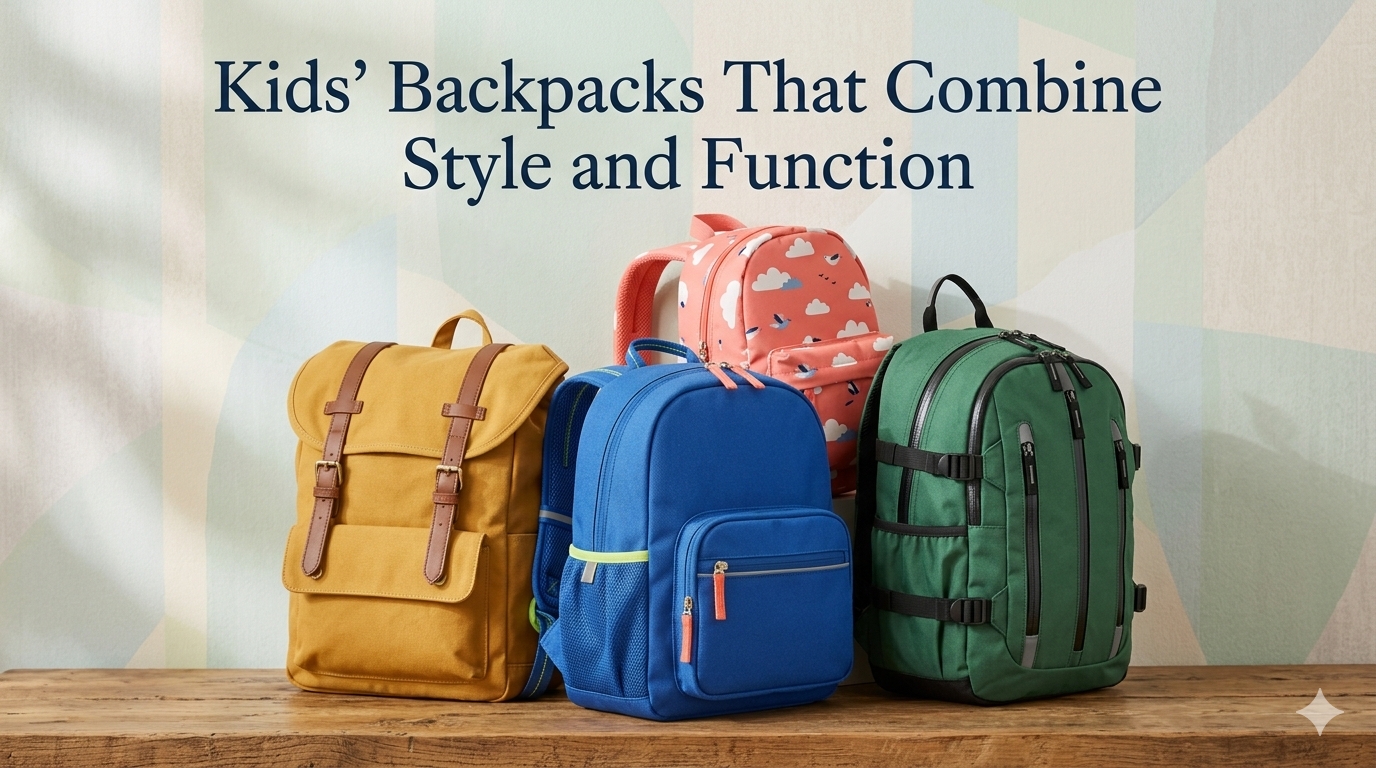
A backpack is one of the most useful accessories in a child’s daily life. Whether it is used for school, travel, sports, family outings, or weekend activities, the right backpack needs to do more than look good. It should be comfortable to carry, practical to organize, durable enough for everyday use, and suitable for the child’s age.
With so many colors, patterns, shapes, and designs available, choosing the right option can sometimes feel overwhelming. The best kids’ backpacks that combine style and function offer a balance between attractive designs and useful features.
From colorful school bags and character-inspired backpacks to minimalist designs and sporty options, children can have a backpack that reflects their personality without sacrificing comfort or practicality.
Why Choosing the Right Kids’ Backpack Matters
Children may carry their backpacks for several hours each day. An unsuitable bag can become uncomfortable, difficult to organize, or unnecessarily heavy.
A good backpack should provide:
- Comfortable shoulder straps
- Appropriate size
- Useful compartments
- Durable construction
- Easy-to-use zippers
- Lightweight materials
- A design the child enjoys
The backpack should match the child’s daily needs rather than simply being selected because of its appearance.
Comfortable Shoulder Straps
Shoulder straps are one of the most important features of a backpack. Look for straps that are padded, adjustable, and wide enough to distribute weight comfortably.
Adjustable straps allow the backpack to grow with the child and make it easier to achieve a comfortable fit.
Avoid bags with thin, stiff, or poorly positioned straps that can make carrying the backpack uncomfortable.
Lightweight Backpack Designs
The backpack itself should not be unnecessarily heavy before anything is placed inside it.
Lightweight materials can help reduce the overall load children have to carry. This is particularly important for younger children.
A simple, lightweight backpack with practical compartments can often be more useful than a large bag filled with unnecessary features.
Choosing the Right Backpack Size
Backpack size should be appropriate for the child’s age and what they actually need to carry.
A preschool child may only need space for a few small items, while an older student may require room for books, notebooks, stationery, and a lunch box.
Avoid choosing an excessively large backpack simply because it appears more useful. A bag that is too large can encourage children to carry unnecessary items and may become uncomfortable.
Multiple Compartments for Better Organization
Compartments can make it easier for children to organize their belongings.
A practical school backpack might include:
- Main compartment for books
- Smaller compartment for stationery
- Front pocket for small items
- Side pocket for a water bottle
- Separate space for a lunch box where appropriate
Different sections can help children learn how to organize their school supplies independently.
Backpacks With Water Bottle Pockets
A side water bottle pocket is a particularly useful feature for school and outdoor activities.
It allows children to keep their water bottle separate from books and electronic items. Elasticated or secure side pockets can help prevent the bottle from falling out while walking.
Choose a pocket that is appropriately sized for the child’s usual bottle.
Stylish Colors for Kids
Children’s backpacks are available in almost every color imaginable. Bright colors can create a playful appearance, while neutral colors may provide a more understated style.
Popular choices can include:
- Blue
- Pink
- Purple
- Green
- Yellow
- Red
- Black
- Beige
- Gray
The best color is often one that matches the child’s personality and can be used for a reasonable period without quickly becoming outdated.
Fun Prints and Patterns
Patterns are a simple way for children to express their personality.
Backpacks can feature:
- Animals
- Stars
- Flowers
- Dinosaurs
- Vehicles
- Space themes
- Sports graphics
- Geometric patterns
Younger children may prefer playful designs, while older kids may enjoy simpler prints or more mature patterns.
Character-Inspired Backpacks
Character-inspired backpacks can be exciting for younger children. Favorite animals, animated characters, superheroes, or fantasy themes can make children more enthusiastic about using their bags.
However, parents should still check the practical features of the backpack. A fun character design is useful only when the bag is also comfortable, durable, and appropriately sized.
Minimalist Backpacks for Older Kids
Older children may prefer backpacks with a cleaner and more modern appearance.
Minimalist designs in colors such as black, navy, gray, olive, or beige can work well for school and casual outings.
These bags can also transition easily between school, travel, extracurricular activities, and weekend use.
Sports Backpacks for Active Kids
Children involved in sports may benefit from a separate sports backpack.
A sports backpack can provide space for:
- Sports clothing
- Shoes
- Water bottles
- Towels
- Small equipment
- Personal items
Look for durable materials and compartments that help keep sports gear separate from everyday belongings.
A ventilated shoe compartment can also be useful when available.
Travel Backpacks for Kids
A children’s travel backpack should be comfortable enough for longer periods of carrying while providing easy access to important items.
Useful features can include:
- Lightweight construction
- Multiple compartments
- Secure zippers
- Water bottle pocket
- Easy-access front section
- Adjustable straps
Children can use travel backpacks for books, snacks, small toys, headphones, and other personal items.
Backpacks for Preschoolers
Preschool backpacks should be small, lightweight, and easy for little hands to manage.
Simple zippers and accessible pockets can help young children learn to use the backpack independently.
Fun colors, animal designs, and playful shapes can make backpacks more appealing to younger children.
Avoid selecting a bag that is too large for the child’s body simply because it offers more storage space.
Backpacks for School-Age Children
School-age children typically need more storage than preschoolers.
A good school backpack should have enough room for books and notebooks without becoming excessively bulky.
As children get older, additional compartments may become more useful for stationery, technology, lunch boxes, sports equipment, and personal belongings.
Durable Materials for Everyday Use
Children’s backpacks can experience considerable wear and tear. They may be placed on floors, carried outdoors, exposed to rain, or overloaded with school supplies.
Look for durable materials and strong stitching. Quality zippers, reinforced seams, and sturdy handles can also help extend the backpack’s lifespan.
Water-resistant materials can be particularly useful in areas where children may experience unexpected rain.
Easy-to-Clean Backpacks
School bags can become dirty quickly. Food spills, dust, mud, and everyday handling can all affect their appearance.
A backpack made from easy-to-clean material can make maintenance simpler.
Before purchasing, check whether the bag can be wiped clean or machine washed according to the manufacturer’s instructions.
Avoid using harsh cleaning products unless they are specifically recommended for the material.
Comfortable Back Panels
The back panel can also influence carrying comfort. Some backpacks feature padded or breathable sections designed to make the bag more comfortable against the child’s back.
A structured back panel can help the backpack maintain its shape, while breathable materials may improve comfort during warmer weather.
The backpack should sit comfortably against the child’s back without hanging excessively low.
Practical Zippers and Fasteners
Children should be able to open and close their backpacks without unnecessary difficulty.
Large, smooth-running zippers can be easier for younger children to operate. Zipper pulls that are easy to grip can also be helpful.
Avoid overly complicated fastening systems unless they provide a clear practical benefit.
Personalization and Name Labels
Adding a name label can make it easier for children to identify their backpack, especially when several students have similar bags.
Personalization can also make a basic backpack feel more special. Simple patches, tags, or removable accessories can add personality without permanently changing the bag.
For school settings, avoid displaying unnecessary personal information on the outside of the backpack.
Backpacks and School Dress Codes
Some schools have specific requirements for backpack colors, sizes, or designs. Before buying a new bag, check the school’s guidelines.
If the school requires a particular style, children can still express their personality through small details such as pencil cases, lunch bags, or removable accessories where permitted.
Avoiding Overloaded Backpacks
A backpack should carry only what the child actually needs.
Encourage children to remove old papers, unnecessary toys, and other items regularly. This can help keep the backpack organized and reduce unnecessary weight.
Parents can occasionally check the contents with the child and help establish a simple routine for keeping the bag organized.
Teaching Kids to Organize Their Backpacks
A well-designed backpack can support good organization habits.
Teach children to keep heavier books in the main section, smaller items in front pockets, and frequently used items where they can easily reach them.
A simple organization system can make mornings easier and reduce the chances of losing school supplies.
Matching Backpacks With Outfits
A backpack can also become part of a child’s overall fashion style.
For colorful outfits, a neutral backpack can create balance. Alternatively, a brightly colored backpack can add personality to a simple outfit.
For older children, minimalist backpacks can complement casual outfits such as jeans, hoodies, sneakers, and jackets.
The goal is not to perfectly match every item but to create a coordinated appearance.
Let Children Help Choose
Children are more likely to enjoy using a backpack when they have some input into the decision.
Parents can narrow the choices according to size, comfort, durability, and school requirements. The child can then choose their preferred color, pattern, or design.
This approach balances practical needs with personal style.
Building a Versatile Backpack Collection
Most children do not need a large collection of backpacks. One reliable everyday school bag is usually enough.
Depending on their activities, a second bag may be useful for sports, travel, or overnight trips.
Choosing versatile designs can reduce unnecessary purchases and allow the bags to be used for multiple purposes.
Final Thoughts
Kids’ backpacks that combine style and function should provide a comfortable balance between appearance and practicality. A good backpack should be appropriately sized, lightweight, durable, easy to organize, and comfortable to carry.
Features such as padded straps, multiple compartments, water bottle pockets, durable materials, easy-to-use zippers, and breathable back panels can make a significant difference in everyday use.
At the same time, colors, patterns, characters, and modern designs allow children to express their personalities. By involving children in the selection process while prioritizing comfort and functionality, parents can find a backpack that looks great and works well for school, sports, travel, and everyday adventures.
Get More Ideas: Kids’ Watches: Fun and Stylish Designs

David Walker
David Walker is a seasoned writer with extensive experience covering a wide range of topics across various industries. From insightful tech reviews to lifestyle tips, motivational pieces, and food diaries, David brings an informed perspective to everything he writes. His passion for storytelling and deep understanding of global trends make him a versatile contributor to any discussion. Whether it’s business, technology, freelancing, or events, David delivers valuable content that resonates with diverse audiences.