Fade Haircuts for Men: Different Styles Explained
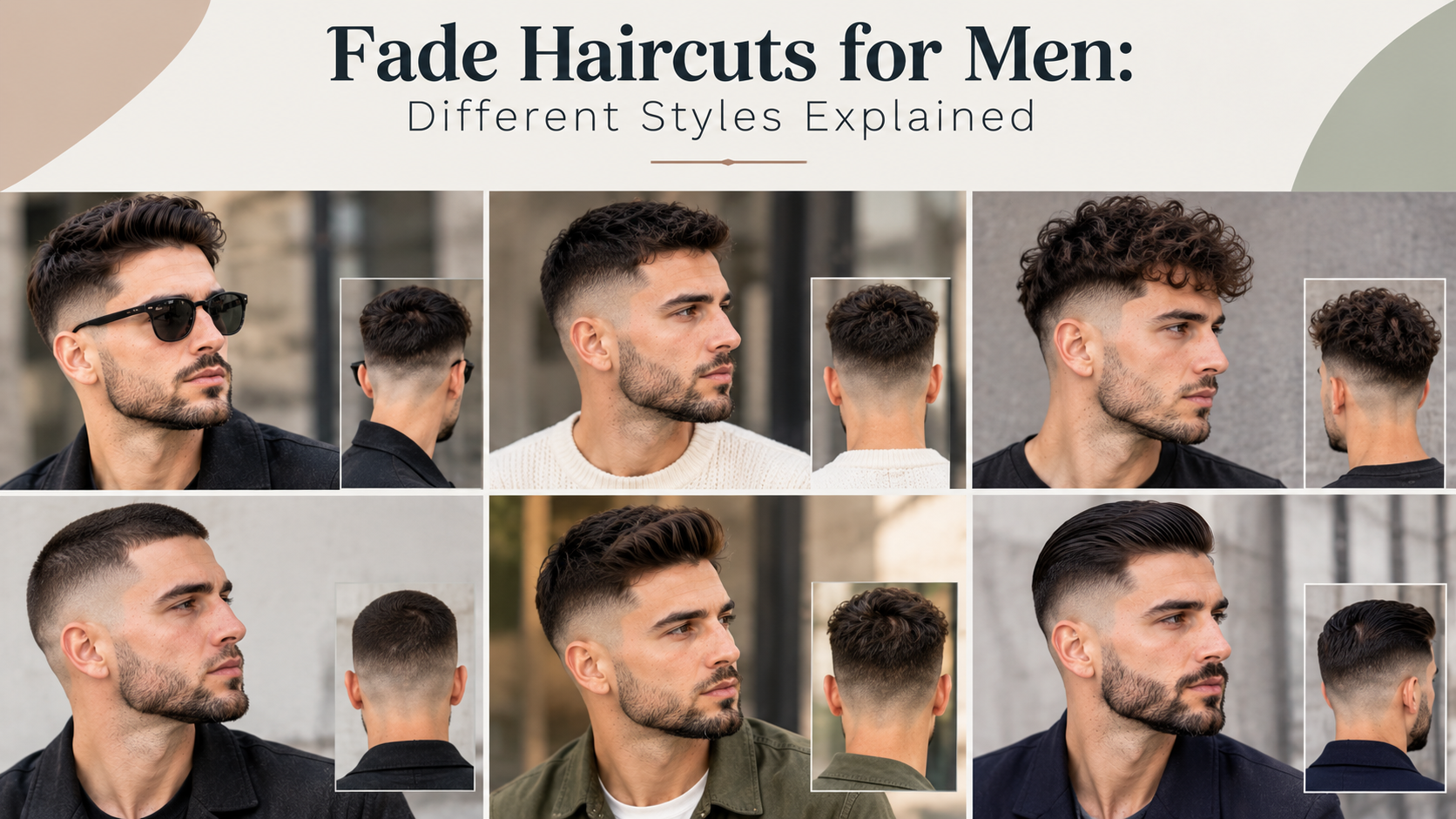
Fade haircuts have become one of the most versatile choices for men who want a clean, modern hairstyle. The defining feature of a fade is the gradual transition from shorter hair around the sides and back to longer hair higher up the head. This transition can be subtle or dramatic, depending on the type of fade and the overall haircut.
One of the reasons fade haircuts for men remain so popular is their flexibility. A fade can be combined with textured hair, curls, a crop, a quiff, a buzz cut, or a longer hairstyle. It can also be adjusted to suit different face shapes, hair textures, and personal styles.
If you are considering a new haircut, understanding the different types of fades can help you communicate exactly what you want to your barber. Here are six stylish fade haircut options to consider.
1. Low Fade Haircut
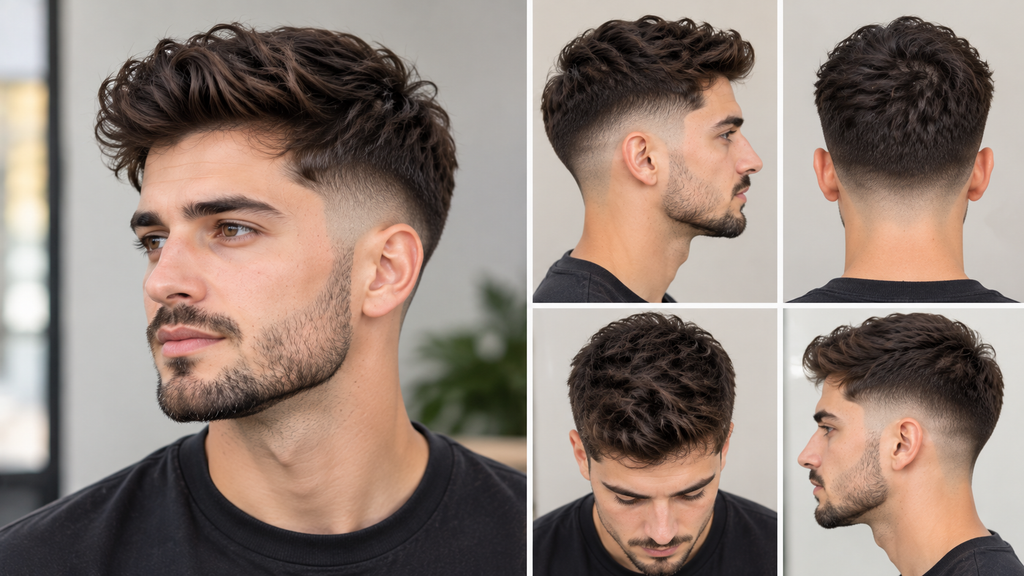
The low fade is one of the most subtle versions of the fade haircut. The transition from longer hair to shorter hair begins close to the ears and lower part of the back of the head.
Because the fade starts relatively low, more hair remains around the sides. This creates a balanced appearance that looks polished without being too dramatic.
A low fade is particularly versatile because it works with both short and medium-length hairstyles. You can combine it with a textured crop, side part, slick-back, quiff, or messy top.
Why Choose a Low Fade?
A low fade is a great option if you want a clean haircut that still has a relatively natural appearance. It can be suitable for professional environments because the transition is less noticeable than with higher fades.
Men with oval, round, square, and longer face shapes can adapt a low fade to suit their features. The hair on top can also be left longer if you want additional styling options.
For a relaxed everyday look, combine a low fade with textured hair and a natural finish. For something more polished, use a small amount of styling product to create definition.
2. Mid Fade Haircut
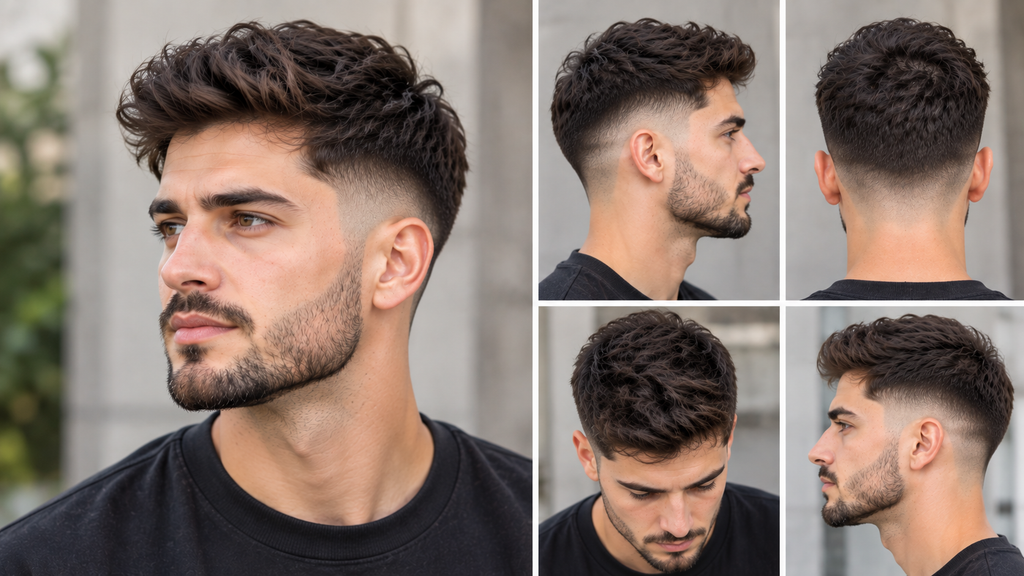
The mid fade begins around the middle section of the sides and gradually transitions into longer hair above.
It offers a balance between the subtle appearance of a low fade and the stronger contrast of a high fade. This makes it one of the most adaptable choices for men who want a modern haircut without going too extreme.
A mid fade works well with many hairstyles, including short textured tops, comb-overs, quiffs, curly hair, and messy styles.
Why Choose a Mid Fade?
The main advantage of a mid fade is its versatility. It creates enough contrast to make the haircut look sharp while still leaving sufficient hair around the sides to maintain a balanced silhouette.
You can also change the appearance of the same fade by adjusting the length on top.
For example, a short textured top gives the haircut a casual appearance, while a longer slicked-back style creates a more refined finish.
A mid fade can also work well with facial hair. A barber can create a smooth transition from the haircut into the sideburns and beard, creating a cohesive overall appearance.
3. High Fade Haircut
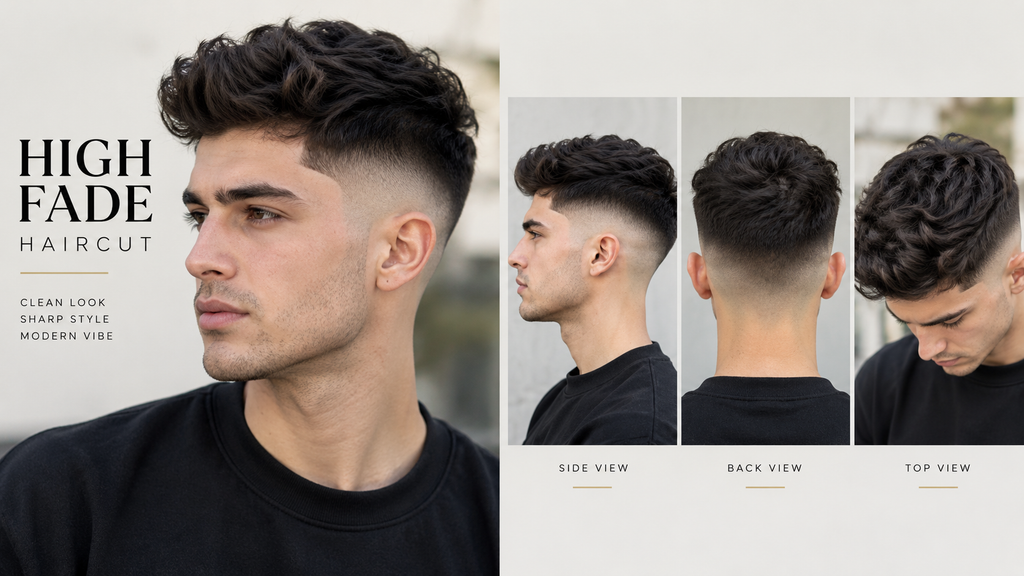
The high fade creates a much stronger contrast because the transition to very short hair begins higher on the sides and back of the head.
This makes the hairstyle look sharper and more defined. Because significantly less hair remains on the sides, the hair on top becomes the main focus.
A high fade can be paired with a textured crop, curly top, pompadour, quiff, or short styled hair.
Why Choose a High Fade?
A high fade is suitable for men who prefer a bold, contemporary appearance. It creates a noticeable contrast between the short sides and longer hair on top.
The style can also make the top of the hair appear more prominent. This is useful if you have naturally thick or textured hair that you want to showcase.
For a modern street-style appearance, try a high fade with messy or textured hair. If you prefer a sharper look, style the top neatly with a matte or lightly glossy product.
Because the sides are cut very short, a high fade can require regular maintenance to keep the transition looking crisp.
4. Skin Fade Haircut
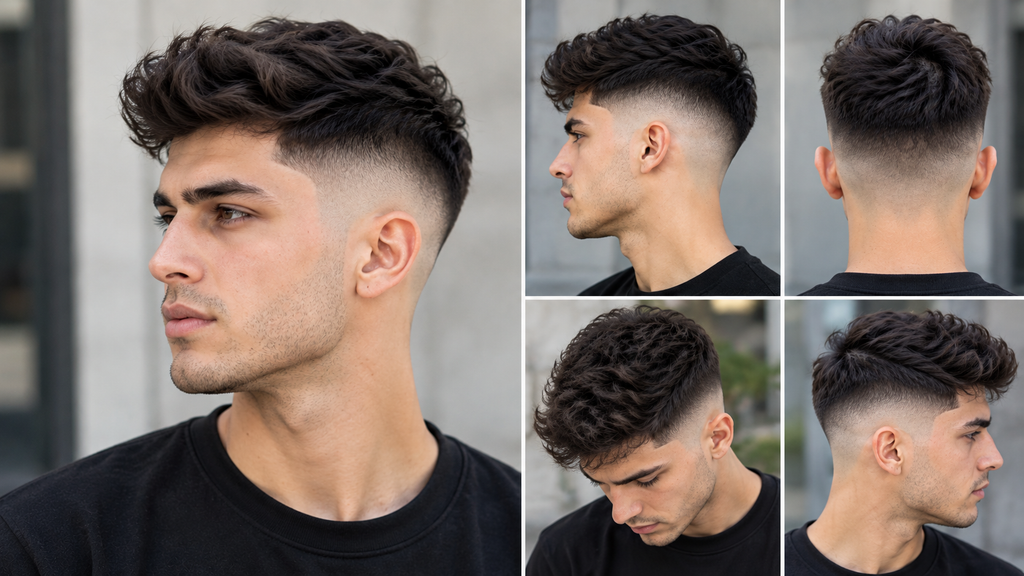
A skin fade takes the fade concept further by gradually reducing the hair down to bare skin at the shortest point.
The transition can be positioned low, medium, or high, meaning a skin fade can be combined with different fade placements.
The result is a very clean and sharp appearance. It works particularly well with short hairstyles because the contrast between the skin-level sides and the longer hair on top is immediately noticeable.
Why Choose a Skin Fade?
A skin fade is ideal for men who enjoy a fresh, highly defined haircut. It can make the haircut look especially clean around the ears and neckline.
It can be combined with a short crop, textured top, quiff, curly hairstyle, or even a buzz cut.
Men with facial hair can also connect the skin fade with a beard for a seamless transition. The barber can gradually blend the sideburn area into the beard rather than creating an obvious break.
The main consideration is maintenance. Because the hair grows back quickly from skin level, the fade may lose its extremely sharp appearance sooner than a longer fade.
5. Taper Fade Haircut
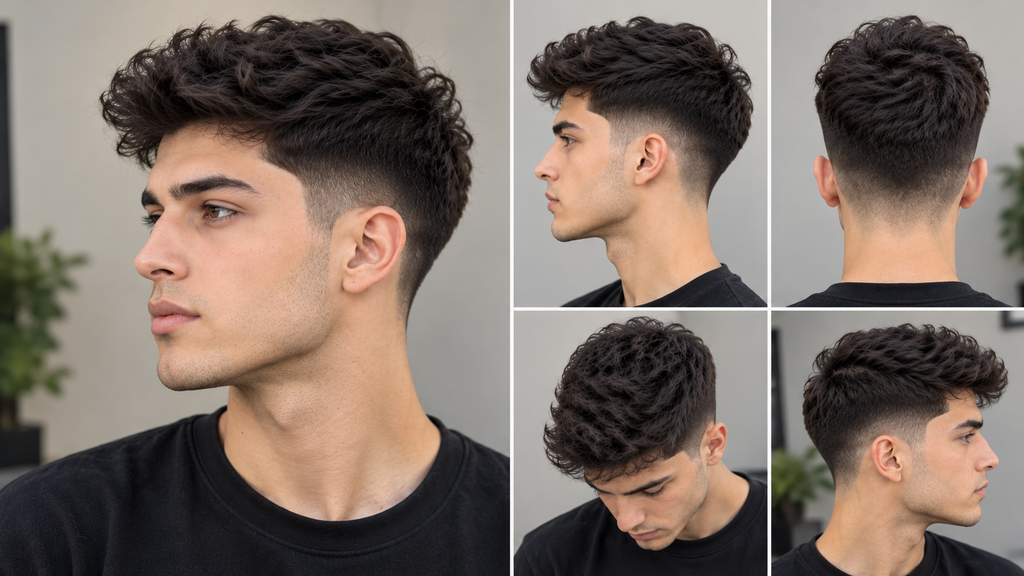
A taper fade is slightly different from a traditional full fade because the shortening is concentrated around specific areas such as the sideburns and neckline.
The hair on the sides does not necessarily become extremely short across the entire area. Instead, it gradually tapers toward the edges.
This creates a more understated and natural-looking haircut.
Why Choose a Taper Fade?
The taper fade is an excellent choice for men who want some of the clean appearance of a fade without removing too much hair from the sides.
It works especially well with classic hairstyles such as side parts, textured crops, short curls, and longer hairstyles.
A taper can also be easier to maintain between barber appointments because the transition is less dramatic.
For men who want a professional hairstyle with a modern touch, a taper fade can provide a good balance between traditional and contemporary styling.
It is also a useful option if you want your haircut to look polished without having an extremely sharp contrast between the sides and top.
6. Burst Fade Haircut
The burst fade has a distinctive shape because the fade curves around the ear rather than running evenly across the entire side of the head.
The hair behind the ear can remain longer, creating a rounded or burst-like appearance.
This makes the burst fade particularly interesting when paired with textured or curly hairstyles.
Why Choose a Burst Fade?
A burst fade can give a more creative appearance than traditional low, mid, or high fades.
It works particularly well with curly hair, textured tops, mohawks, faux hawks, and other hairstyles where the shape around the sides is important.
The curved fade also allows more hair to remain toward the back of the head. This creates a different silhouette from a conventional fade.
If you want a haircut that feels modern and distinctive, a burst fade can be an excellent option.
How to Choose the Right Fade Haircut
Choosing between different fade haircuts for men depends on more than simply selecting the fade you like in a photograph.
Your hair texture, face shape, lifestyle, and preferred level of maintenance should all be considered.
Consider Your Hair Type
Straight, wavy, curly, and coily hair can all work with fades, but the final appearance will be different.
Curly hair can create strong contrast with a fade because the textured top stands out against the shorter sides.
Straight hair provides more flexibility for styles such as quiffs, comb-overs, side parts, and slicked-back looks.
Think About Maintenance
If you prefer a haircut that remains relatively subtle as it grows out, a low fade or taper fade may be easier to manage.
Higher fades and skin fades create stronger contrast and may require more frequent visits to the barber if you want to maintain a very sharp appearance.
Think about how often you realistically want to maintain your haircut before choosing the shortest possible fade.
Match the Fade to Your Hairstyle
The hair on top should work with the fade rather than looking disconnected from it.
A low fade can complement a classic side part or textured crop. A mid fade works well with quiffs and messy styles. A high fade can emphasize a short textured or curly top, while a burst fade can add shape to curly or more adventurous hairstyles.
Fade Haircuts and Face Shapes
A fade can also be adjusted according to your face shape.
Men with round faces may prefer additional height on top combined with a clean fade to create a more elongated appearance.
For square faces, almost any fade can work, although a textured top can complement a strong jawline particularly well.
An oval face is generally flexible and can accommodate many combinations of fade and top styles.
Men with longer faces may prefer keeping some visual width on the sides rather than choosing an extremely high fade.
These are simply styling guidelines. Your natural hair density and personal preference are equally important.
How to Maintain a Fade Haircut
Even the best fade haircut can quickly lose its shape without regular grooming.
Keep the top trimmed according to the hairstyle you have chosen, and maintain the neckline and area around the ears between barber visits when necessary.
Avoid trying to recreate a professional fade yourself unless you are experienced with clippers. The gradual transition between different lengths requires precision.
Using a suitable styling product can also help maintain the appearance of the top. Matte products are useful for textured and natural hairstyles, while lighter creams or pomades can work for smoother styles.
Final Thoughts
Fade haircuts for men offer countless styling possibilities because the fade can be customized in both placement and intensity.
The low fade provides a subtle and versatile appearance, while the mid fade offers a balanced modern look. A high fade creates stronger contrast, and a skin fade delivers an especially clean finish. The taper fade offers a more understated approach, while the burst fade provides a distinctive curved shape that works especially well with textured hair.
When choosing your fade, consider your hair type, face shape, preferred hairstyle, and how much maintenance you are willing to do. The right combination can give you a haircut that looks modern, clean, and suited to your individual style.
Get More Ideas: Short Beard Styles for Men

David Walker
David Walker is a seasoned writer with extensive experience covering a wide range of topics across various industries. From insightful tech reviews to lifestyle tips, motivational pieces, and food diaries, David brings an informed perspective to everything he writes. His passion for storytelling and deep understanding of global trends make him a versatile contributor to any discussion. Whether it’s business, technology, freelancing, or events, David delivers valuable content that resonates with diverse audiences.