Short Beard Styles for Men: 6 Stylish Looks for a Clean, Modern Appearance
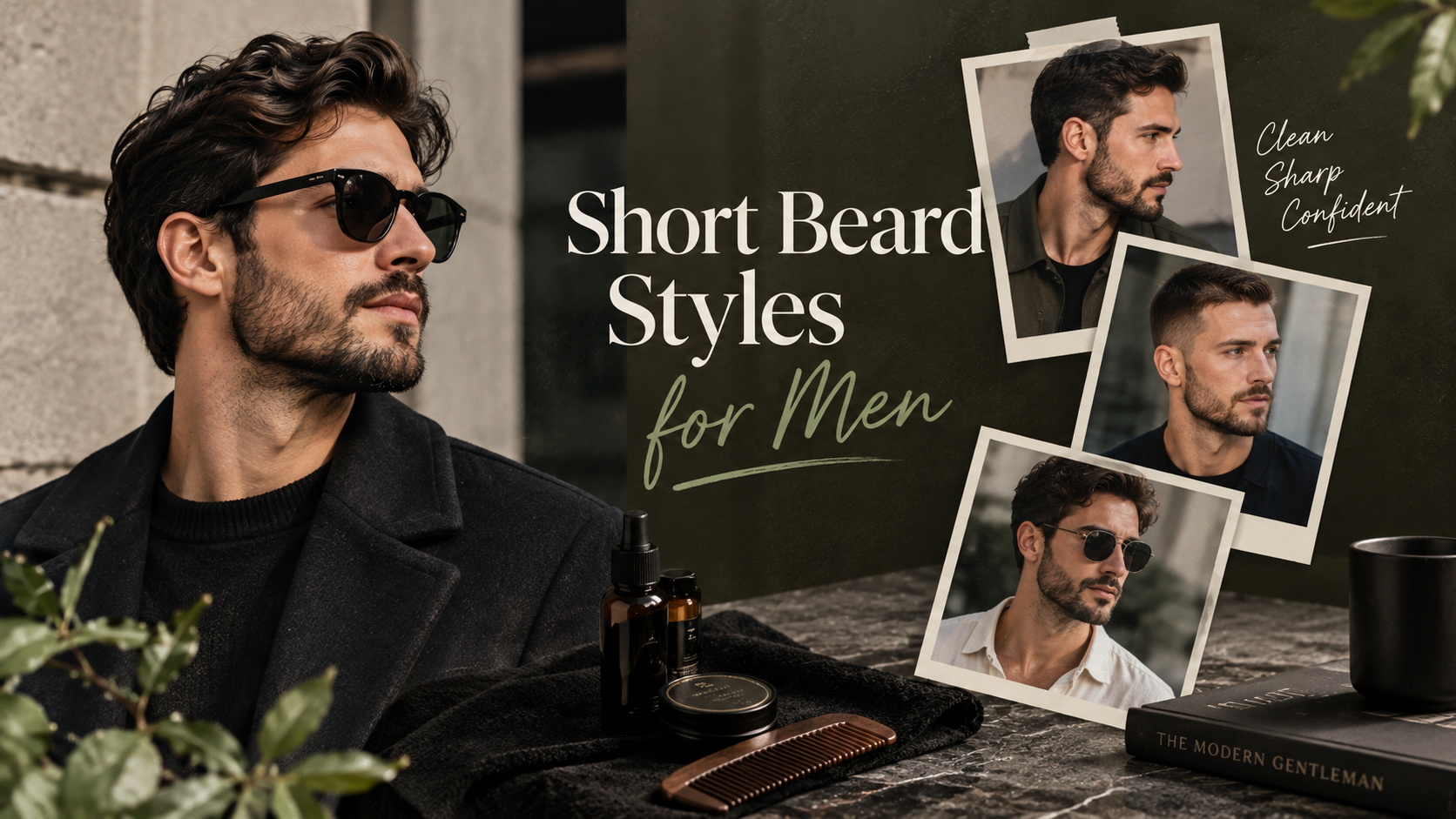
Short beards are one of the easiest ways for men to add definition to their face while keeping their grooming routine simple. Unlike very long beards, short facial hair can look polished, professional, and modern without requiring extensive daily maintenance.
Whether you prefer a barely-there beard or a more defined short boxed style, there are plenty of options to suit different face shapes, hair types, and personal aesthetics. The key is choosing a beard length and shape that works naturally with your facial hair growth.
Here are 6 short beard styles for men that offer a balance of style, versatility, and easy maintenance.
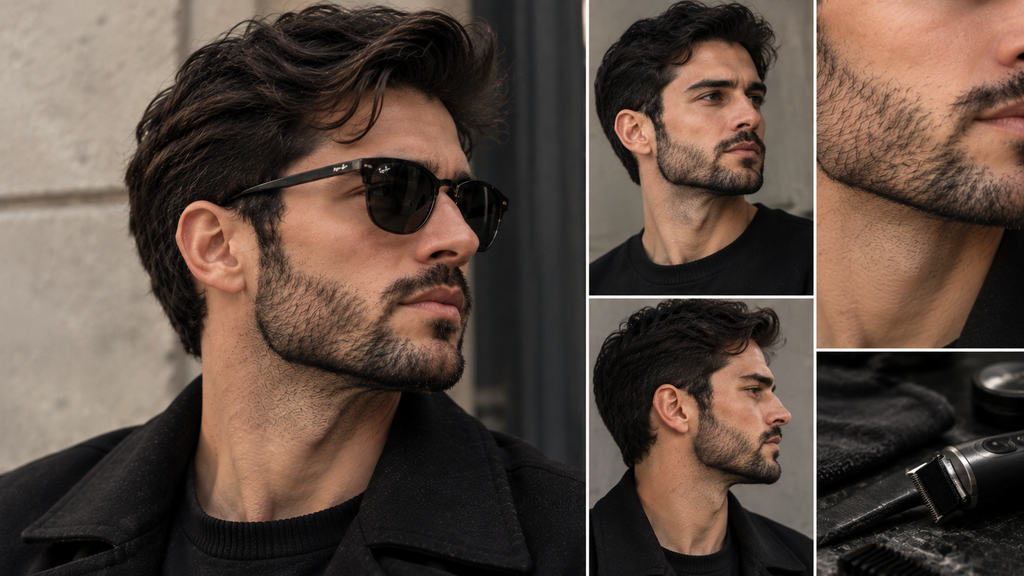
1. Short Boxed Beard
The short boxed beard is one of the most versatile beard styles for men. It follows the natural shape of the jaw while keeping the overall length relatively short.
This style is ideal for men who want a beard that looks neat enough for professional settings but still provides noticeable facial definition. The sides are usually kept at a consistent short length, while the mustache and chin blend naturally into the beard.
A clean cheek line and carefully shaped neckline make a major difference. You can also adjust the length depending on your face shape.
For a rounder face, slightly more length around the chin can create additional definition. For a longer face, keeping the length more even can help maintain balanced proportions.
Best for: Oval, square, round, and rectangular faces.
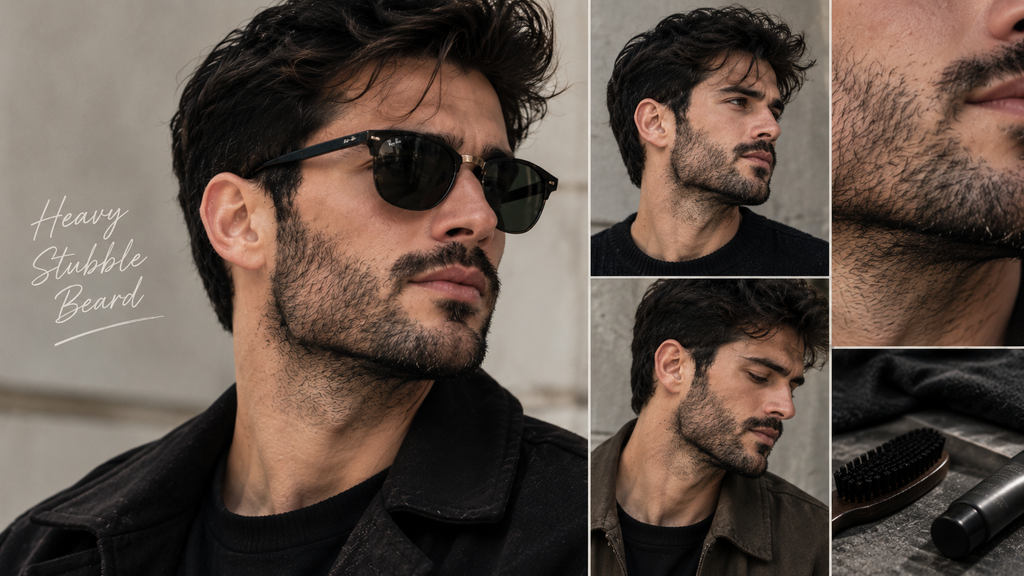
2. Heavy Stubble Beard
Heavy stubble sits between traditional stubble and a short beard. It provides enough coverage to create a noticeable beard effect without becoming too long.
It is a great choice for men who want a masculine, effortless appearance but do not want to spend a lot of time maintaining a full beard.
Heavy stubble can also work particularly well for men whose beard growth is slightly uneven. Keeping the hair short can make minor differences in density less noticeable.
To keep the style looking intentional, trim the beard regularly and clean up the neckline. The cheek area can either be kept natural or lightly defined depending on your preferred appearance.
Best for: Most face shapes and low-maintenance grooming routines.
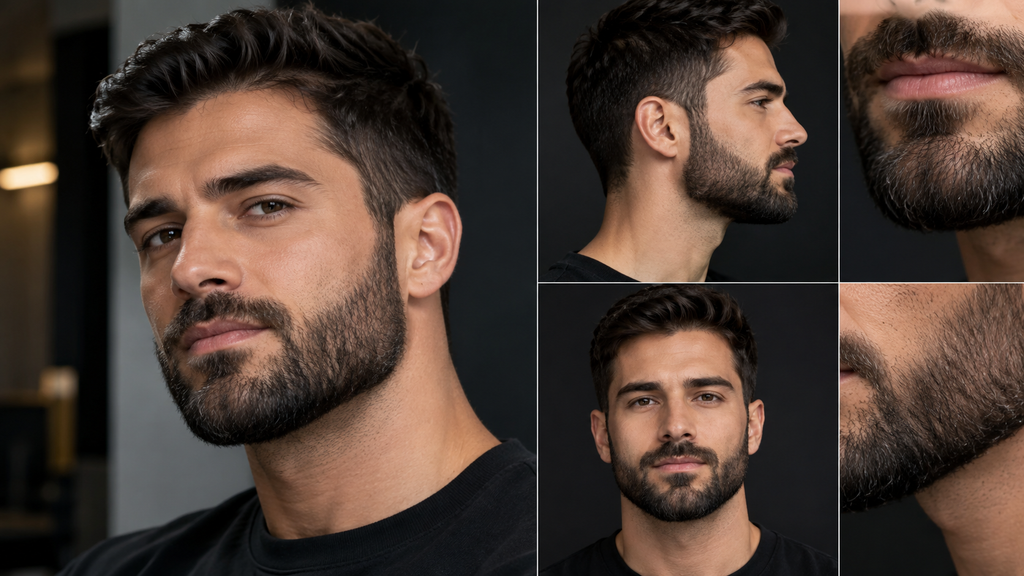
3. Short Full Beard
A short full beard gives you more coverage than stubble while remaining much easier to manage than a long beard.
The beard should cover the cheeks, jaw, chin, and mustache area, but the length stays relatively close to the face. This creates a fuller appearance without excessive volume.
This style works especially well for men with naturally dense facial hair. However, men with slightly thinner growth can also wear it by keeping the length short and allowing the strongest areas of growth to create the overall shape.
Regular trimming around the cheeks, mustache, and neckline keeps the beard looking polished.
A short full beard also pairs well with a variety of hairstyles, from short fades to textured medium-length hair.
Best for: Oval, square, heart, and diamond face shapes.
4. Short Goatee
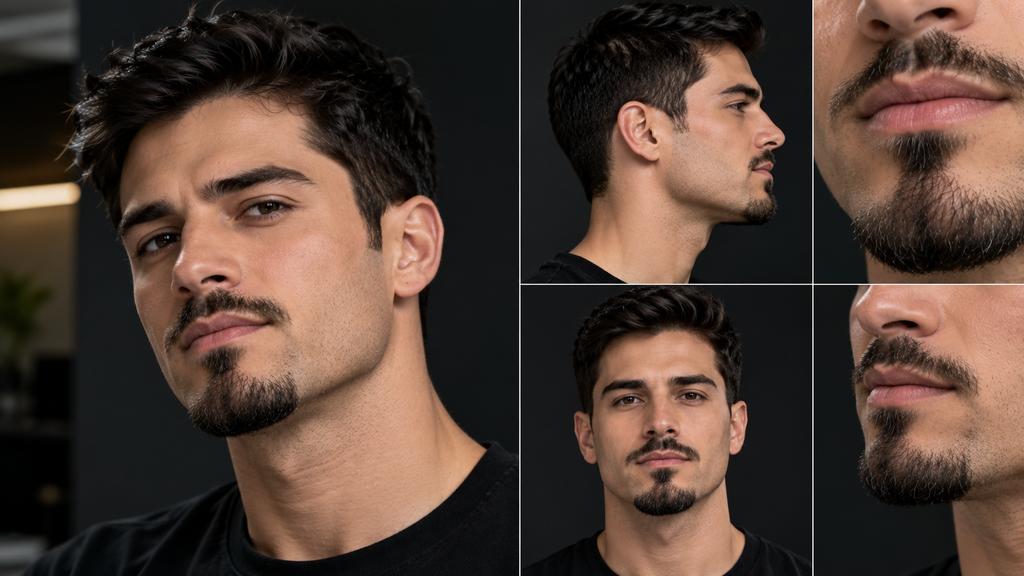
A short goatee focuses facial hair around the chin and mouth rather than covering the entire face.
It is a useful option for men who prefer a more defined style or whose cheek growth is less dense. Because the beard is concentrated around the center of the face, it can also draw attention toward the chin.
The goatee can be combined with a mustache or worn as a more minimal chin-focused style. Keep the edges clean and avoid allowing the hair to grow too far beyond the intended shape.
For round faces, a slightly elongated goatee can create more visual length. Men with strong square jaws can use a short goatee to create a different focal point without adding additional bulk along the cheeks.
Best for: Round, square, and oval faces.
5. Short Beard With Defined Mustache
For men who want the mustache to be a noticeable part of their facial hair, a short beard with a defined mustache is a stylish option.
The beard remains relatively short, while the mustache receives slightly more attention through careful trimming and shaping.
This style works particularly well when the mustache and beard have similar density. The transition between them should look intentional rather than disconnected.
It can be paired with both casual and smart clothing. A clean haircut, such as a taper or fade, can make the overall appearance even sharper.
For a softer look, keep the mustache natural and lightly trimmed. For a more structured appearance, define the upper lip and edges more precisely.
Best for: Oval, square, and rectangular faces.
6. Short Rounded Beard
A short rounded beard follows the jawline but uses a softer, curved shape around the chin rather than a sharply squared bottom.
This can be a particularly attractive option for men with strong or angular facial features who want their beard to appear slightly softer.
The sides should remain relatively controlled, while the lower section follows a gentle curve. The beard does not need to be long to create this effect.
A rounded beard can also complement textured or medium-length hairstyles because its softer shape creates a relaxed overall appearance.
Best for: Square, diamond, and angular face shapes.
How to Choose the Right Short Beard Style
Choosing among different short beard styles for men becomes easier when you consider a few basic factors.
Consider Your Face Shape
Your face shape can help determine where you want to add or reduce visual volume.
Men with round faces may prefer slightly more length around the chin. Men with longer faces can keep the chin shorter while maintaining more even coverage across the sides.
Square faces can experiment with rounded or softer beard edges, while oval faces can usually accommodate a wide range of styles.
Consider Your Beard Growth
Not every man grows facial hair at the same density.
If your beard is thick and even, a short full beard or boxed beard can create a strong, consistent appearance.
If your growth is lighter or patchier, heavy stubble or a short goatee may be easier to maintain.
You do not have to force your beard into a style that requires more density than you naturally have. Working with your growth pattern generally creates a cleaner result.
Think About Maintenance
Short beards may be easier to maintain than long beards, but they still require regular grooming.
Depending on how quickly your hair grows, you may need to trim every few days or once a week. Keeping the neckline and cheek lines under control can make even a simple beard look much more polished.
A good beard trimmer with adjustable length settings can make maintaining a short beard considerably easier.
How to Make a Short Beard Look More Stylish
A short beard looks best when the entire grooming routine is consistent.
Keep the neckline clean: A defined neckline prevents the beard from looking untidy.
Trim the mustache: Hair extending too far over the upper lip can make a short beard look messy.
Maintain the cheek area: You can keep the natural cheek line or create a cleaner edge depending on your preferred style.
Use beard care products: A small amount of beard oil or moisturizer can help keep facial hair and the underlying skin comfortable.
Match your haircut: A neat fade, taper, textured crop, or classic short haircut can complement a short beard particularly well.
Short Beard Styles for Professional Looks
Short beards are particularly suitable for professional environments because they can provide facial definition without the visual weight of a long beard.
A short boxed beard, heavy stubble, or neatly trimmed full beard can work with business-casual and formal clothing.
For a professional appearance, focus on clean edges, controlled length, and a well-maintained mustache. Avoid allowing the neckline to become heavily overgrown.
The goal is not necessarily to make the beard extremely sharp. A natural but tidy finish can look just as polished.
Short Beard Styles With Different Haircuts
Your haircut and beard form one overall appearance, so coordinating them can make your style look more intentional.
A fade haircut with heavy stubble creates a clean and contemporary combination.
A textured crop with a short boxed beard gives a relaxed but structured appearance.
A classic side-part hairstyle with a short full beard creates a more traditional look.
Longer textured hair can also work with a short rounded beard if you prefer a softer aesthetic.
There is no requirement for the haircut and beard to have identical levels of sharpness. Combining different textures can actually make the overall look more interesting.
How Often Should You Trim a Short Beard?
The ideal trimming schedule depends on how quickly your facial hair grows.
Men with fast-growing facial hair may need to shape their beard several times a week. Others may only need a weekly trim.
Rather than focusing only on the number of days, pay attention to the outline. Once the cheek line, neckline, or mustache begins losing its intended shape, it is usually time for a quick cleanup.
Regular small trims are often easier than allowing the beard to grow significantly and then trying to reshape it.
Final Thoughts
The best short beard styles for men are those that complement your natural facial structure, beard density, hairstyle, and lifestyle.
The short boxed beard offers versatility, while heavy stubble provides a low-maintenance option. A short full beard creates more coverage, while a short goatee focuses attention on the chin. A defined mustache with short beard adds character, and a short rounded beard can soften stronger facial angles.
You do not need a long beard to create a distinctive look. With the right length, clean edges, and regular maintenance, a short beard can provide a polished and modern finishing touch to almost any men’s style.
Get More Ideas: Suede Bag Ideas

David Walker
David Walker is a seasoned writer with extensive experience covering a wide range of topics across various industries. From insightful tech reviews to lifestyle tips, motivational pieces, and food diaries, David brings an informed perspective to everything he writes. His passion for storytelling and deep understanding of global trends make him a versatile contributor to any discussion. Whether it’s business, technology, freelancing, or events, David delivers valuable content that resonates with diverse audiences.