
Sleepmaxxing 101: My High Tech Setup for the Ultimate Rest
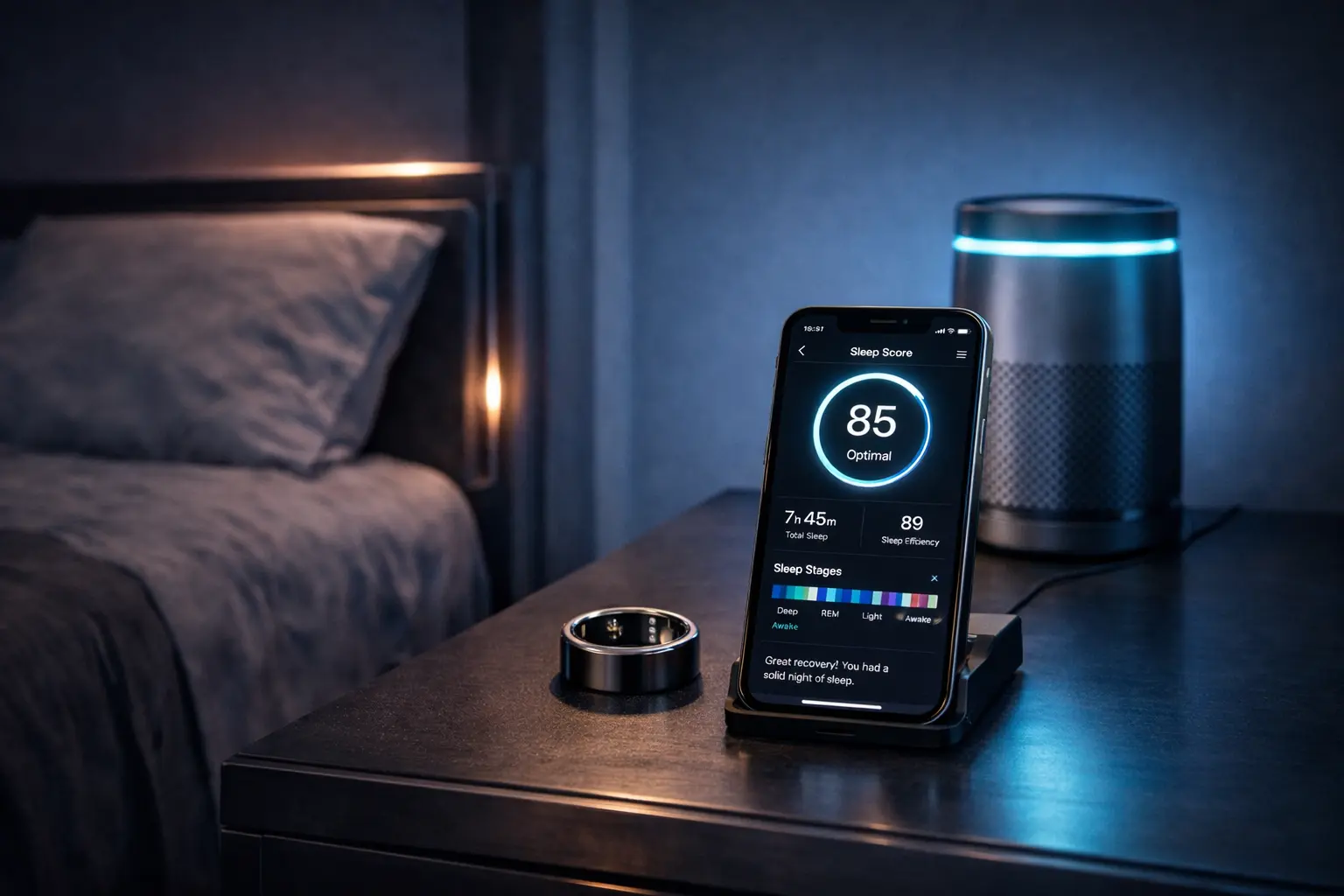
Sleep is one of the most important parts of maintaining good health, yet many people treat it as an afterthought. In recent years, a new trend called sleepmaxxing 101 has started gaining attention. The idea behind sleepmaxxing is simple: optimize your sleep environment, habits, and technology to get the best rest possible. Instead of hoping for good sleep, you intentionally design a system that helps your body recover and recharge every night.
With the help of modern technology, improving sleep has become easier than ever. Smart devices, wearable trackers, lighting systems, and specialized bedding now allow people to create an environment designed specifically for better rest. This article explores the concept of sleepmaxxing and explains how a high-tech sleep setup can help you wake up feeling more refreshed and energized.
Understanding the Importance of Quality Sleep
Before diving into technology and gadgets, it is important to understand why sleep matters so much. During sleep, the body performs several essential processes that support both physical and mental health. The brain organizes memories, the body repairs tissues, and hormones that regulate stress and metabolism are balanced.
Research from sleep scientists shows that adults generally need 7–9 hours of sleep per night to function at their best. Unfortunately, many people regularly get less than that due to busy schedules, late-night screen use, or stressful routines.
Poor sleep can affect many aspects of daily life. It can reduce concentration, weaken the immune system, and make it harder to manage stress. Long-term sleep deprivation has also been linked to health problems such as heart disease, obesity, and mood disorders.
Quality sleep is not only about the number of hours spent in bed. The depth and continuity of sleep also matter. When sleep is interrupted or shallow, the body cannot fully complete its natural recovery cycles. That is why sleepmaxxing focuses on improving both sleep duration and sleep quality.
The Science Behind the Sleep Cycle
Sleep occurs in repeating cycles throughout the night. Each cycle usually lasts about 90 minutes and includes several stages that serve different functions.
The first stage is light sleep, when the body begins to relax and transition from wakefulness to rest. During this phase, heart rate slows and breathing becomes steady. The second stage is a slightly deeper form of sleep where the brain begins processing information and memories from the day.
The third stage is deep sleep, sometimes called slow-wave sleep. This stage is especially important because it allows the body to repair muscles, strengthen the immune system, and release growth hormones. People who do not spend enough time in deep sleep often feel tired even after many hours in bed.
The final stage is REM sleep (Rapid Eye Movement), which is closely connected with dreaming. REM sleep supports learning, creativity, and emotional balance. The brain becomes very active during this stage, even though the body remains relaxed.
A healthy night of sleep usually includes four to six cycles of these stages. When sleep is frequently interrupted, the body may not complete these cycles properly. This is why creating a calm and stable sleep environment is so important.
Creating the Ideal Sleep Environment
One of the first steps in sleepmaxxing is improving the sleep environment. The bedroom should be designed in a way that encourages relaxation and supports the body’s natural sleep signals.
Three factors play a major role in sleep quality: temperature, lighting, and noise.
A slightly cool room often promotes better sleep. Most experts recommend keeping bedroom temperatures between 60 and 67 degrees Fahrenheit (15–19°C). Cooler air helps the body lower its core temperature, which is a natural signal that it is time to sleep.
Lighting is another critical factor. Bright lights, especially those from electronic screens, can interfere with the body’s production of melatonin, the hormone responsible for regulating sleep. Dimming lights in the evening and reducing screen time before bed can make it easier to fall asleep.
Noise can also disrupt sleep cycles. Sudden sounds may briefly wake the brain, even if the person does not fully remember waking up. Some people use white-noise machines or gentle background sounds to create a consistent sound environment that masks unpredictable noises.
Designing a bedroom with these elements in mind creates a foundation for better sleep before adding any technology.
Using Wearable Devices to Track Sleep
Wearable technology has made sleep monitoring much more accessible. Devices such as smartwatches and smart rings can track sleep patterns using sensors that measure movement, heart rate, and other biological signals.
These devices estimate how long a person sleeps and how much time they spend in different sleep stages. Over time, the collected data can reveal useful patterns. For example, someone might notice that exercising late at night reduces deep sleep, or that avoiding caffeine in the evening leads to longer REM sleep.
Sleep tracking should not be viewed as a perfect medical measurement, but it can provide helpful insights. Many devices also calculate a sleep score, which summarizes sleep quality based on multiple factors such as duration, interruptions, and heart rate trends.
By reviewing this information regularly, people can make adjustments to their routines and gradually improve their sleep habits.
Smart Beds and Advanced Mattress Technology
Another key component of sleepmaxxing is the bed itself. Modern mattresses and bed systems are designed with technology that supports better comfort and temperature regulation.
Some smart beds allow users to adjust the firmness of the mattress or raise different sections of the bed. Adjustable positions can reduce pressure on the back and improve circulation during sleep. Many people also find that slightly elevating the head can reduce snoring.
Temperature-controlled mattress pads are another popular option. These systems circulate cooled or warmed air or water through the bedding to maintain a consistent temperature throughout the night. Because body temperature naturally fluctuates during sleep, maintaining a comfortable climate can help prevent frequent awakenings.
Couples may also benefit from beds with dual-zone settings, allowing each person to choose their preferred firmness or temperature without affecting the other side of the bed.
Smart Lighting for Better Sleep Timing
Lighting plays a major role in regulating the body’s internal clock, also known as the circadian rhythm. This biological system determines when we feel alert and when we feel sleepy.
Smart lighting systems can help align indoor lighting with natural daylight patterns. In the morning, brighter and cooler light helps signal the brain to become alert and active. In the evening, warm and dim lighting encourages relaxation and prepares the body for sleep.
Many smart bulbs can automatically adjust brightness and color temperature throughout the day. This gradual shift mimics the natural changes in sunlight and helps maintain a stable sleep-wake schedule.
Some people also use sunrise alarm clocks, which gradually increase light in the morning to simulate sunrise. Instead of waking suddenly to a loud alarm, the body wakes more gently as the light becomes brighter.
Helpful Gadgets for a Relaxing Night Routine
Technology can also support the routine leading up to bedtime. Creating a consistent evening routine helps signal to the brain that it is time to slow down.
White-noise machines are commonly used to create a calm sound environment. These devices produce steady background sounds such as rainfall, ocean waves, or soft static noise. Consistent sounds can make it easier to fall asleep and stay asleep.
Meditation or relaxation apps are another useful tool. Many apps provide guided breathing exercises or calming audio sessions designed to reduce stress before bed. Listening to these recordings can help quiet the mind and prepare the body for sleep.
Some people also use aromatherapy diffusers with gentle scents such as lavender to create a relaxing atmosphere. While these tools are simple, they can reinforce positive bedtime habits when used consistently.
Healthy Habits That Support Better Sleep
Even with advanced technology, healthy habits remain essential for good sleep. Sleepmaxxing works best when combined with consistent routines and lifestyle choices.
Maintaining a regular sleep schedule is one of the most effective strategies. Going to bed and waking up at similar times every day helps stabilize the body’s internal clock.
Limiting caffeine intake in the late afternoon and evening can also improve sleep quality. Because caffeine can remain in the body for several hours, consuming it too late may delay sleep.
Reducing screen time before bed is another helpful step. Blue light from phones, tablets, and computers can interfere with melatonin production. Many people benefit from creating a “digital wind-down period” during the last hour before sleep.
Regular physical activity during the day can also promote deeper sleep at night, although intense exercise right before bedtime may make it harder to relax.
The Future of Sleep Technology
Sleep technology continues to evolve rapidly. Researchers and technology companies are developing new tools that may further improve sleep quality in the future.
One promising development is contact-free sleep monitoring, where sensors placed in mattresses or bedside devices track sleep without requiring a wearable device. These systems can measure breathing patterns, heart rate, and movement with minimal effort from the user.
Artificial intelligence may also play a larger role in sleep analysis. Future systems could analyze sleep data and provide personalized recommendations for improving rest.
Researchers are also exploring gentle sound or light stimulation methods that encourage deeper sleep cycles. While many of these technologies are still being tested, they highlight the growing interest in sleep as a key part of health and well-being.
Conclusion
Sleepmaxxing isn’t about obsessing over every minute of rest—it’s about recognizing that sleep is the foundation of physical health, mental clarity, and long-term performance. In a world that constantly demands more productivity, optimizing sleep may be the most effective upgrade you can make.
By combining environmental design, smart technology, wearable tracking, and supportive habits, it’s possible to transform sleep from a passive activity into a powerful recovery system. Simple changes such as controlling bedroom temperature, reducing light exposure, and using sound masking can dramatically improve sleep quality.
High-tech tools like smart beds, sleep trackers, and sunrise alarms add another layer of optimization. They provide data, automation, and personalized feedback that help refine sleep routines over time.
Yet the most important element remains consistency. When the body experiences predictable signals—cool darkness, calming sounds, stable schedules—it naturally transitions into deeper and more restorative sleep.
Sleepmaxxing ultimately reminds us that rest isn’t wasted time. It’s the engine that powers everything else we do during the day. When sleep improves, energy improves, thinking becomes sharper, and life simply feels easier to navigate.
Read More: Afrobohemian Bedroom
Read More: Vamp Romantic Bedroom
FAQs
1. What exactly does sleepmaxxing mean?
Sleepmaxxing refers to the practice of optimizing sleep quality using technology, environment design, and behavioral habits. The goal is to maximize restorative sleep and improve overall health and performance.
2. Do sleep trackers actually improve sleep?
Sleep trackers don’t directly improve sleep, but they provide data and insights that help users identify habits affecting their rest. Over time, this feedback can guide meaningful lifestyle changes.
3. What is the ideal bedroom temperature for sleep?
Most sleep experts recommend a temperature between 60–67°F (15–19°C). Cooler environments help the body lower its core temperature, which supports deeper sleep.
4. Are sunrise alarm clocks better than regular alarms?
Yes, for many people. Sunrise alarms simulate natural dawn by gradually increasing light, helping the body wake up more gently and with less grogginess.
5. What is the most important factor for improving sleep?
Consistency. Maintaining regular sleep and wake times is often the single most effective habit for improving overall sleep quality

David Walker
David Walker is a seasoned writer with extensive experience covering a wide range of topics across various industries. From insightful tech reviews to lifestyle tips, motivational pieces, and food diaries, David brings an informed perspective to everything he writes. His passion for storytelling and deep understanding of global trends make him a versatile contributor to any discussion. Whether it’s business, technology, freelancing, or events, David delivers valuable content that resonates with diverse audiences.