
Kids’ Sunglasses: Choosing Safe and Stylish Frames
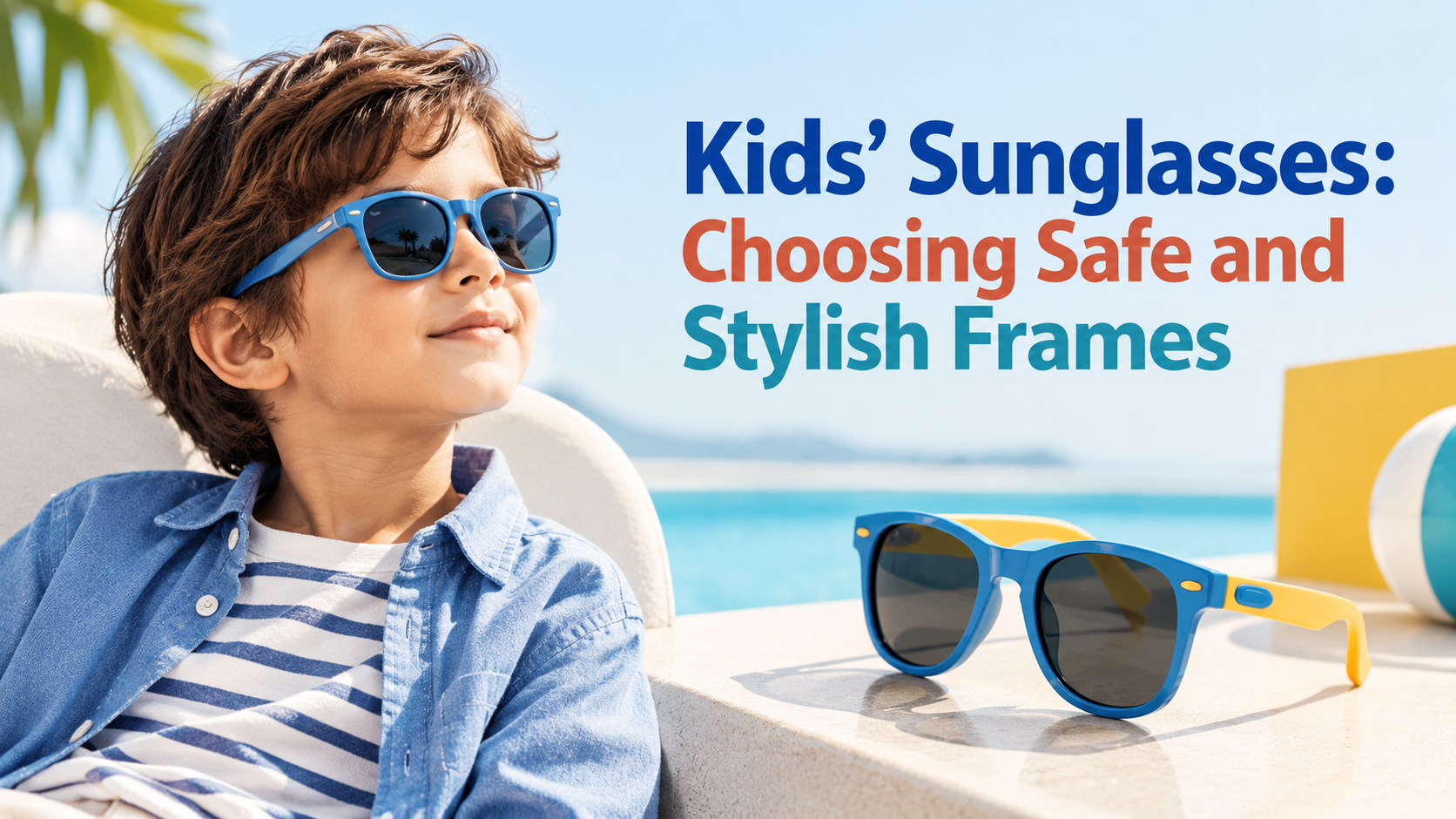
Sunglasses are more than a stylish accessory for children. The right pair can help shield young eyes from bright sunlight while adding a fun finishing touch to an outfit. Since children spend plenty of time playing and exploring outdoors, choosing suitable eyewear is an important part of preparing them for sunny days.
When shopping for kids’ sunglasses, parents have many factors to consider. Frame size, lens quality, comfort, durability, fit, and age-appropriate design all matter. A pair that looks attractive but does not fit properly may be uncomfortable, while poorly made lenses may not provide the protection parents expect.
Fortunately, safe and stylish children’s sunglasses are available in a wide range of shapes and colors. Understanding what to look for can make the buying process easier.
Why Kids Need Sunglasses
Children’s eyes can be exposed to ultraviolet (UV) radiation when they spend time outdoors. Sunglasses designed to provide UV protection can help reduce exposure to ultraviolet rays.
Sunglasses can also make bright outdoor environments more comfortable by reducing glare and helping children see more comfortably in strong sunlight.
Whether a child is going to the beach, playing in the park, traveling with family, or simply spending time outdoors, a suitable pair of sunglasses can be a useful accessory.
However, sunglasses should complement—not replace—other sun-protection habits such as seeking shade and using appropriate sun protection.
Look for Proper UV Protection
One of the most important things to check when buying kids’ sunglasses is the level of UV protection.
Look for sunglasses clearly labeled as providing 100% UVA and UVB protection or protection against UV400 wavelengths. Avoid relying solely on how dark the lenses appear. Dark lenses without appropriate UV protection are not necessarily safer.
Parents should purchase sunglasses from reputable sellers and check the product information carefully.
Lens darkness and UV protection are not the same thing. A very dark lens may reduce visible light without providing adequate protection from ultraviolet radiation.
Choose the Right Frame Size
Proper fit is essential for children’s eyewear. Sunglasses should sit comfortably on the bridge of the nose without constantly sliding down.
The frames should also be wide enough to provide useful coverage without extending excessively beyond the child’s face.
If the temples are too tight, they may press against the sides of the head. If they are too loose, the sunglasses may fall off during normal activities.
Whenever possible, allow your child to try the sunglasses on before buying them.
Consider Flexible and Durable Frames
Children can be hard on accessories. Sunglasses may be dropped, bent, stepped on, or left in a backpack.
For this reason, durable frames can be a practical choice.
Flexible materials may be more forgiving than rigid frames when children accidentally bend them. Lightweight construction can also make sunglasses more comfortable during extended wear.
Parents should still inspect sunglasses regularly for cracks, sharp edges, loose parts, or other damage.
Polycarbonate Lenses for Active Kids
Children who spend a lot of time outdoors or participating in active activities may benefit from impact-resistant lenses.
Polycarbonate lenses are lightweight and known for their impact resistance, making them a commonly considered option for children’s eyewear.
They can be particularly useful for activities where sunglasses may be accidentally dropped or bumped.
However, lens material is only one part of overall eyewear safety. The frames should also be appropriately designed and well fitted.
Popular Sunglasses Shapes for Kids
Children’s sunglasses come in many shapes, allowing parents and children to choose a style that suits their preferences.
Round Frames
Round sunglasses have a playful appearance and can work well with a variety of casual outfits. They are often available in bright colors and fun designs.
Square Frames
Square frames offer a more structured appearance. They can create a modern look while providing good lens coverage.
Cat-Eye Styles
Cat-eye-inspired frames are a popular choice for girls who want a more fashionable accessory. Children’s versions can feature softer shapes and colorful details.
Aviator-Inspired Frames
Aviator-inspired sunglasses can provide a classic look. When choosing this style for children, make sure the frame is specifically designed to fit smaller faces.
Oversized Frames
Oversized sunglasses can look fun and fashionable, but they should not be so large that they slide down or interfere with the child’s vision.
The best frame shape is ultimately one that fits comfortably and provides appropriate coverage.
Choose Comfortable Nose Pieces
The bridge area can significantly affect how children’s sunglasses feel.
Some frames have integrated nose bridges, while others use separate nose pads. For younger children, simple designs with smooth surfaces may be easier to wear and maintain.
Sunglasses should not leave excessive pressure marks or cause irritation.
If your child repeatedly removes the sunglasses because they feel uncomfortable, reconsider the size or frame design.
Sunglasses for Babies and Toddlers
Very young children require additional consideration when selecting eyewear.
Choose lightweight designs that fit securely without creating uncomfortable pressure. Flexible frames may be useful because toddlers are more likely to handle or drop their accessories.
Parents should supervise young children while they are wearing sunglasses, especially when the eyewear contains small removable components.
A secure but comfortable fit is particularly important because toddlers may move constantly during outdoor activities.
Sunglasses for School-Age Children
Older children may have stronger preferences about colors and designs.
At this age, sunglasses can become both a practical accessory and a way of expressing personal style.
Sporty frames may appeal to active children, while colorful or patterned frames can complement casual outfits.
Parents can involve children in selecting the design while maintaining responsibility for checking important features such as UV protection, fit, and durability.
Polarized Lenses: Are They Useful?
Polarized lenses are designed to reduce certain types of glare, particularly glare reflected from surfaces such as water and roads.
They can be useful for children spending time near swimming pools, beaches, lakes, or bright outdoor environments.
However, polarization is separate from UV protection. Parents should still verify that polarized sunglasses provide adequate UVA and UVB protection.
Polarization can be a useful additional feature, but it should not be treated as a substitute for proper UV protection.
Choose Lenses That Provide Clear Vision
Sunglasses should not distort the child’s vision.
Check the lenses for obvious scratches, warping, bubbles, or imperfections. If a child complains that objects look distorted or that the sunglasses make it difficult to see, stop using them and consider replacing them.
For children who already wear prescription glasses, prescription sunglasses may be an option. Parents should discuss suitable eyewear with an eye-care professional when necessary.
Stylish Colors and Designs
Today’s kids’ sunglasses come in almost every color imaginable.
Classic black and brown frames can coordinate with many outfits, while pink, blue, green, yellow, purple, and other colors can add a playful touch.
Patterns can also make sunglasses more appealing to children. Floral designs, colorful shapes, animal-inspired themes, and simple decorative details are common choices.
For everyday use, versatile colors may be easier to coordinate with multiple outfits. For vacations and special occasions, children may enjoy brighter or more distinctive designs.
Sunglasses for Different Activities
The best sunglasses can vary depending on what your child is doing.
Beach Days
Choose sunglasses with reliable UV protection and a comfortable fit. Polarized lenses can be useful for reducing glare from water and bright surfaces.
Sports and Outdoor Play
Durable, lightweight, and impact-resistant designs can be practical for active children.
Family Travel
Comfort becomes particularly important when sunglasses may be worn for extended periods. A protective case can also help prevent damage when the sunglasses are not being used.
Everyday Outings
A versatile pair with a comfortable fit can be suitable for walks, shopping trips, playground visits, and other regular activities.
Teach Kids How to Care for Their Sunglasses
Children can learn simple habits that help protect their eyewear.
Teach them to hold sunglasses by the frame instead of touching the lenses. When they are not wearing them, they should place the sunglasses in a protective case rather than leaving them loose in a bag.
Use a suitable lens-cleaning cloth to remove fingerprints and dirt. Avoid wiping lenses with rough clothing or materials that could scratch the surface.
Regularly inspect the frames and lenses for damage.
Avoid Buying Sunglasses Based Only on Appearance
A colorful frame may immediately catch a child’s attention, but appearance should not be the only consideration.
Before purchasing, check:
- UV protection
- Frame size
- Lens quality
- Comfort
- Durability
- Secure fit
- Appropriate materials
- Intended use
A stylish pair is most useful when it also meets practical needs.
When to Replace Kids’ Sunglasses
Children’s sunglasses may need replacement when they become scratched, damaged, uncomfortable, or too small.
Check whether the frames have started pressing against the child’s head or whether the lenses have significant scratches.
Children also grow quickly, so a pair that fitted comfortably last year may no longer be appropriate.
Replacing damaged sunglasses is preferable to continuing to use eyewear that no longer provides a comfortable and functional fit.
A Simple Buying Checklist
Before purchasing children’s sunglasses, parents can use this quick checklist:
- Confirm the sunglasses provide appropriate UV protection.
- Choose a frame designed for the child’s face size.
- Make sure the sunglasses sit securely without excessive pressure.
- Consider durable, lightweight materials.
- Check the lenses for visible imperfections.
- Choose a style suitable for the child’s activities.
- Consider impact-resistant lenses for active children.
- Select a design your child enjoys wearing.
- Purchase a protective case when possible.
- Inspect the sunglasses regularly for damage.
Final Thoughts
Choosing kids’ sunglasses involves finding the right balance between eye protection, comfort, durability, and style. Parents should look beyond colors and designs and pay close attention to UV protection, lens quality, frame size, and overall fit.
For active children, lightweight and impact-resistant designs can be useful, while polarized lenses may provide additional glare reduction in certain bright environments. Younger children may benefit from flexible frames and simple, secure designs.
Most importantly, choose sunglasses that your child can wear comfortably and that provide the protection stated by the manufacturer. With the right pair, children can enjoy sunny outdoor activities while adding a fun and stylish accessory to their everyday look.

David Walker
David Walker is a seasoned writer with extensive experience covering a wide range of topics across various industries. From insightful tech reviews to lifestyle tips, motivational pieces, and food diaries, David brings an informed perspective to everything he writes. His passion for storytelling and deep understanding of global trends make him a versatile contributor to any discussion. Whether it’s business, technology, freelancing, or events, David delivers valuable content that resonates with diverse audiences.