
Kids’ Boots for Winter: Styles and Buying Guide
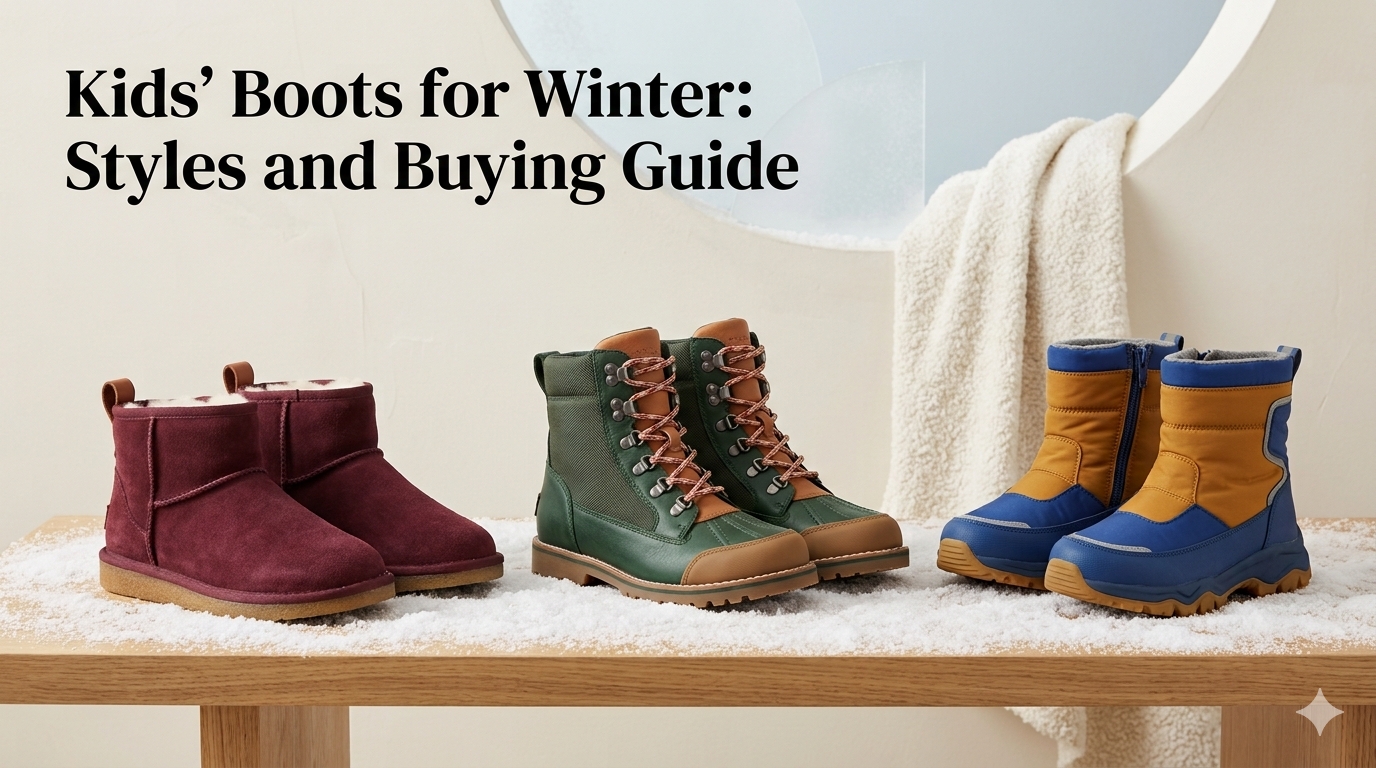
Winter brings colder temperatures, wet weather, and plenty of opportunities for children to play outdoors. Whether they are walking to school, exploring on a family trip, or playing in cold and rainy conditions, the right footwear can help keep their feet comfortable and protected. Choosing the right kids’ boots for winter is therefore about more than finding a stylish pair.
Children’s winter boots come in many designs, materials, and insulation levels. Some are designed primarily for rain, while others are made to provide warmth in cold weather. There are also versatile everyday boots that combine practical protection with fashionable designs.
With so many choices available, parents need to consider factors such as warmth, waterproofing, fit, traction, comfort, and durability. This guide explains the most popular winter boot styles for kids and provides practical tips for choosing the right pair.
Why Kids Need Proper Winter Boots
Children spend a lot of time moving around, even during colder months. Regular sneakers may not provide enough protection against rain, mud, snow, or freezing temperatures.
Winter boots are generally designed with features that provide additional coverage and protection. Depending on the style, they may include insulated interiors, waterproof materials, thicker soles, and higher shafts that help keep moisture and cold away from the feet.
A suitable pair can also provide better traction on wet or slippery surfaces. This is especially useful during rainy walks, winter outings, and outdoor activities.
The right boots should balance protection with comfort. Heavy or poorly fitting boots can make it difficult for children to walk and play naturally.
1. Insulated Winter Boots
Insulated boots are one of the most popular choices for genuinely cold weather. They are designed with materials that help retain warmth around the feet.
Some insulated boots feature fleece, synthetic insulation, or other warm linings. They are particularly useful for children who spend extended periods outdoors during winter.
Look for a design that provides warmth without becoming unnecessarily bulky.
Best for:
- Cold winter days
- Outdoor play
- Winter holidays
- Long walks
- Cold climates
If your child wears thick winter socks, make sure the boots still provide enough room for comfortable movement.
2. Waterproof Rain Boots
Rain boots are essential for wet winter weather. Their waterproof construction helps keep feet dry when children walk through puddles or wet ground.
Traditional rain boots are often made from waterproof rubber or similar materials. They are easy to clean, making them practical for muddy outdoor activities.
However, rain boots are not always designed for extreme cold. If temperatures are particularly low, choose a lined version or use appropriate warm socks.
Best for:
- Rainy days
- Puddles
- Muddy playgrounds
- Wet school commutes
- Outdoor activities
Choose rain boots with textured soles to improve traction on wet surfaces.
3. Snow Boots
For areas that experience snow, dedicated snow boots can provide a combination of insulation, water resistance, and traction.
Snow boots typically have a thicker construction and may include warm linings. Some also feature adjustable cuffs that help prevent snow from entering the boot.
A secure closure is useful because children can move through deep snow without constantly worrying about their boots becoming loose.
Important features include:
- Warm insulation
- Water-resistant or waterproof construction
- Thick sole
- Good traction
- Secure fastening
- Comfortable interior
Snow boots should be selected according to the conditions your child will actually experience. Extremely insulated boots may be unnecessary in regions with mild winters.
4. Everyday Winter Boots
Not every winter day requires heavy-duty footwear. Everyday winter boots can be a practical choice for school, shopping trips, family outings, and casual activities.
These boots often have a more lightweight design than snow boots while still providing greater coverage than ordinary shoes.
Popular options include ankle boots, mid-calf boots, and casual lace-up styles. They can be paired with jeans, trousers, leggings, coats, and other winter clothing.
For everyday use, prioritize comfort and versatility over excessive insulation.
5. Ankle Boots for Kids
Ankle boots offer a stylish option for children who need light winter protection. They are particularly suitable for mild weather and indoor-outdoor activities.
They can be easier to put on and take off than taller boots and are often lighter as well.
Ankle boots work especially well for smart-casual outfits and can be worn to family gatherings, casual dinners, or everyday outings.
For colder or wetter conditions, however, parents should check whether the ankle boot provides enough insulation and water protection.
6. Winter Chelsea Boots
Chelsea-style boots are known for their simple silhouette and elastic side panels. Their slip-on design can make them convenient for older children.
Winter versions may include warm linings, durable soles, and water-resistant materials.
They can be worn with casual or semi-formal outfits, making them a versatile addition to a child’s winter wardrobe.
When choosing Chelsea-style boots for children, make sure the opening is comfortable and the boot stays securely on the foot while walking.
7. Lace-Up Winter Boots
Lace-up boots provide an adjustable fit and can offer a secure feeling around the foot and ankle.
They are especially suitable for older children who are comfortable tying and adjusting their own laces.
Some designs combine traditional laces with side zippers, making them faster to put on while maintaining the appearance of a lace-up boot.
Lace-up boots are available in casual, outdoor, and more polished designs, giving parents plenty of options.
8. Velcro and Easy-Fastening Boots
Younger children often benefit from boots that are easy to put on and secure independently.
Velcro straps, pull tabs, elastic closures, and side zippers can simplify the process. These features are especially useful during busy school mornings.
A boot that children can manage themselves can also encourage independence.
However, convenience should not come at the expense of fit. The closure should hold the foot securely without creating uncomfortable pressure.
What to Look for When Buying Kids’ Winter Boots
Choosing winter boots requires more than selecting the right size. Several features can influence comfort and performance.
Warmth and Insulation
Consider the winter temperatures in your area and how much time your child spends outdoors.
For mild winters, a lightly lined boot may be sufficient. For colder conditions, look for stronger insulation and warm interiors.
Waterproofing
If your child regularly encounters rain, puddles, or snow, waterproof or highly water-resistant boots can help keep feet dry.
Pay attention not only to the main material but also to seams, closures, and the area around the tongue, as moisture can enter through gaps.
Traction
A good winter boot should have a sole that provides reliable grip.
Look for textured tread patterns rather than completely smooth soles. Better traction can be particularly useful on wet, muddy, or slippery ground.
Comfort
Children should be able to walk naturally in their boots. Check that the boots are not excessively heavy and that the interior feels comfortable.
A cushioned footbed and soft lining can improve everyday comfort.
Durability
Children can be tough on footwear. Running, jumping, climbing, and outdoor play can quickly wear down low-quality boots.
Look for durable materials, strong stitching, secure closures, and sturdy soles.
How to Choose the Correct Size
Correct sizing is one of the most important considerations when buying kids’ boots for winter.
Children’s feet grow quickly, but buying boots that are excessively large is not a good solution. Oversized boots can move around inside the shoe and make walking less comfortable.
Measure both feet and choose the size based on the larger foot. Consider the type of socks your child will normally wear with the boots.
There should be enough room for the toes to move comfortably, but the heel should remain reasonably secure.
Try the boots with winter socks before deciding whether the fit is appropriate.
Should Kids Wear Thick Socks With Winter Boots?
Thick socks can provide additional warmth, but they should not be used to compensate for boots that are too large or too small.
If the boot is already snug, adding thick socks may create unnecessary pressure. On the other hand, a very loose boot may allow the foot to move excessively.
Choose boots with enough interior space for the socks your child will actually wear.
Breathable materials can also help reduce excessive moisture inside the boot.
Winter Boot Care Tips
Proper care can help children’s boots last longer.
After wet outdoor activities, allow boots to dry naturally in a well-ventilated area. Avoid exposing certain materials to excessive direct heat, as this may cause cracking, shrinking, or other damage.
Remove mud and dirt regularly. Follow the manufacturer’s cleaning instructions based on the boot material.
If the boots become wet inside, make sure they are completely dry before your child wears them again.
Regularly inspect the soles, seams, closures, and interior lining for signs of wear.
Choosing Boots Based on Your Child’s Lifestyle
The best winter boots depend on how your child spends their time.
A child who walks to school in rainy weather may need waterproof boots with strong traction. A child who spends winter indoors may need only a lightweight everyday pair.
Children who participate in outdoor activities may benefit from insulated and durable designs, while those attending formal events may prefer smart winter boots that complement their outfits.
Instead of choosing the most heavily insulated option available, think about the actual weather conditions and activities your child encounters.
Common Mistakes to Avoid
Parents can make several common mistakes when buying children’s winter footwear.
One is focusing entirely on appearance. While stylish boots are appealing, comfort and protection should remain priorities.
Another mistake is buying boots that are too large because children are still growing. A small amount of extra room can be practical, but excessive space can affect stability.
Ignoring the sole is another common problem. Boots may look warm and attractive but provide poor traction.
Finally, avoid assuming that every winter boot is waterproof. Check the product specifications and construction before using boots in wet conditions.
Final Thoughts
Choosing the right kids’ boots for winter means finding a balance between warmth, comfort, protection, durability, and style. Insulated boots can help during cold weather, rain boots are useful for wet conditions, snow boots are designed for snowy environments, and everyday winter boots can provide a practical option for regular outings.
Before buying, consider your child’s activities, local weather, preferred socks, and the amount of time they spend outdoors. Pay close attention to sizing, traction, insulation, waterproofing, and fastening systems.
The ideal winter boot is not necessarily the heaviest or most expensive option. It is the one that fits comfortably, suits the conditions, and allows your child to move confidently throughout the season.
Get More Ideas: Girls Haircut Styles for Kids

David Walker
David Walker is a seasoned writer with extensive experience covering a wide range of topics across various industries. From insightful tech reviews to lifestyle tips, motivational pieces, and food diaries, David brings an informed perspective to everything he writes. His passion for storytelling and deep understanding of global trends make him a versatile contributor to any discussion. Whether it’s business, technology, freelancing, or events, David delivers valuable content that resonates with diverse audiences.