
Neutral Vintage Bedroom: A Timeless Guide to Creating a Warm and Elegant Space
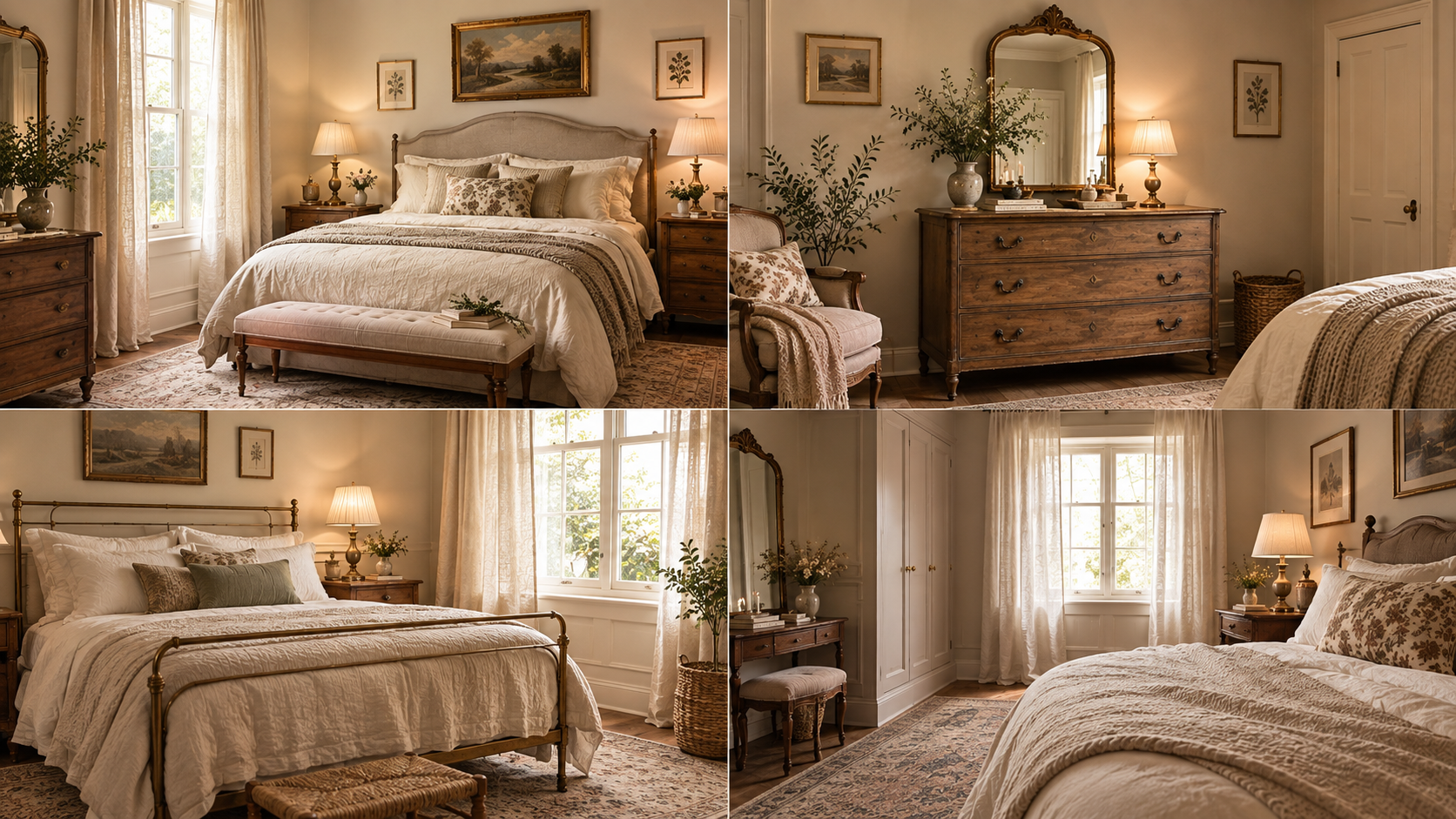
A neutral vintage bedroom combines the charm of old-fashioned interiors with the calm beauty of neutral colors. It is a style that feels warm, comfortable, and timeless without looking outdated. Soft beige walls, antique furniture, natural fabrics, aged wood, and delicate decorative details can transform an ordinary bedroom into a peaceful retreat.
Unlike highly modern bedrooms that often focus on clean lines and minimal decoration, vintage-inspired spaces have more character. They tell a story through furniture, textures, patterns, and carefully selected accessories. When these elements are paired with a neutral palette, the result is sophisticated without feeling overwhelming.
Whether you are decorating a large master bedroom, a small guest room, or a cozy apartment, a neutral vintage bedroom can create an inviting atmosphere that remains stylish for years.
What Is a Neutral Vintage Bedroom?
A neutral vintage bedroom brings together two main design ideas: neutral interior colors and vintage-inspired décor.
Neutral colors typically include shades such as:
- Cream
- Beige
- Ivory
- Warm white
- Taupe
- Soft gray
- Sand
- Light brown
Vintage design, meanwhile, focuses on furniture and decorative details inspired by earlier periods. These can include wooden bed frames, antique-style nightstands, traditional dressers, old-fashioned mirrors, floral bedding, vintage lamps, and distressed finishes.
The key is balance. A room does not need to be filled with antiques to achieve a vintage look. A few carefully chosen pieces can create the desired character while keeping the bedroom fresh and comfortable.
Choose a Soft Neutral Color Palette
Color is one of the most important elements when designing a neutral vintage bedroom. Instead of using bright or highly contrasting colors, start with a soft and warm foundation.
Warm white works particularly well for walls because it keeps the room bright while adding more softness than stark white. Beige and cream can make the bedroom feel cozy, while taupe and muted brown add depth.
You can also combine several neutral shades rather than using just one color. For example, cream walls can be paired with a beige upholstered bed, ivory bedding, and light-brown wooden furniture.
This layered approach prevents the room from looking flat.
For a more authentic vintage atmosphere, consider slightly muted shades. Colors that look naturally aged often work better than perfectly bright finishes.
Select Vintage-Inspired Furniture
Furniture is where the vintage character of the bedroom can become most noticeable.
A wooden bed frame is an excellent starting point. Look for designs with turned legs, carved details, curved edges, or a slightly distressed finish. An upholstered headboard can also work well, particularly when it features linen, cotton, or another natural-looking fabric.
A vintage dresser can become the focal point of the room. Choose one with traditional handles, wooden detailing, or an aged finish. You do not necessarily need genuine antique furniture. Modern furniture designed with vintage characteristics can provide a similar appearance while being easier to maintain.
Nightstands should complement the bed rather than compete with it. Wooden bedside tables with drawers, rounded edges, or traditional hardware can reinforce the vintage theme.
The goal is not to make every piece look old. Instead, combine vintage-inspired pieces with simple furniture to create a balanced interior.
Layer Bedding for a Cozy Look
Bedding plays an important role in making a bedroom feel comfortable and visually complete.
For a neutral vintage bedroom, choose bedding in soft colors such as ivory, cream, beige, oatmeal, or light taupe. Natural fabrics like cotton and linen are especially suitable because they add texture without introducing strong colors.
Layering is another simple way to create a luxurious appearance. Start with neutral sheets, then add a duvet or quilt, followed by a textured throw at the end of the bed.
Decorative pillows can add subtle vintage character. Look for floral patterns, small checks, stripes, or delicate embroidery. Keep the colors muted so that the patterns blend naturally with the rest of the room.
A quilt with a slightly traditional pattern can also become a beautiful focal point without making the bedroom feel overly decorative.
Add Natural Textures
A neutral color palette can sometimes feel plain if there is not enough texture. Vintage interiors benefit from different materials that create visual warmth.
Consider incorporating:
- Linen bedding
- Cotton curtains
- Woven baskets
- Wooden furniture
- Rattan accessories
- Wool or cotton rugs
- Ceramic décor
- Soft upholstered furniture
These materials make the bedroom more interesting while maintaining its calm appearance.
For example, a beige linen duvet can look beautiful against a wooden bed frame. Add a woven rug beneath the bed and a small ceramic lamp on the nightstand, and the room immediately gains more depth.
Use Vintage Lighting
Lighting can completely change the mood of a bedroom.
Instead of relying only on bright overhead lighting, use multiple sources of warm, soft illumination. Bedside lamps are particularly useful because they create a relaxing atmosphere in the evening.
Vintage-style lamps with ceramic, brass, bronze, or aged-metal finishes can complement the décor. A traditional table lamp with a fabric shade can also provide an elegant touch.
Pendant lights or chandeliers can work in larger bedrooms. However, choose designs that complement the room instead of dominating it.
Warm lighting is generally more suitable for a cozy vintage interior than cool white lighting. It helps neutral colors appear warmer and makes wooden furniture and textured fabrics more inviting.
Decorate With Vintage Mirrors
A mirror can be both practical and decorative.
For a neutral vintage bedroom, consider a mirror with an aged wooden, brass, or antique-style frame. Ornate details can add personality, while a simple rounded frame can create a softer appearance.
Place the mirror where it can reflect natural light. This can make a smaller bedroom feel more spacious.
A large vintage mirror leaning against a wall can also become a statement piece. If your bedroom is small, avoid filling every wall with decorations. One carefully selected mirror can have more impact than several smaller pieces.
Choose Simple Vintage Wall Décor
Wall décor should support the overall theme rather than make the room feel cluttered.
Black-and-white botanical prints, vintage artwork, landscape paintings, botanical illustrations, and old-style photography can work beautifully with neutral interiors.
Frames are just as important as the artwork. Wooden, bronze, black, or aged-gold frames can add a traditional touch.
Another option is a small gallery wall featuring several complementary prints. Keep the color palette consistent so the display feels intentional.
If you prefer a minimalist look, choose one large vintage-inspired artwork above the bed or dresser.
Bring Nature Into the Bedroom
Plants can add life to a neutral interior without disrupting its calm color palette.
A small potted plant on a nightstand or dresser can provide a natural accent. Larger plants can be placed in woven baskets or ceramic pots.
Dried flowers are another excellent choice for vintage-inspired bedrooms. Pampas grass, dried eucalyptus, lavender, or simple dried branches can add texture while maintaining the muted aesthetic.
Fresh flowers can also work well, especially when displayed in a traditional glass vase or ceramic pitcher.
The important thing is to keep the arrangement simple. Too many plants or colorful flowers can take the design away from its neutral character.
Add an Area Rug
An area rug can make a bedroom feel warmer and more comfortable while visually connecting different furniture pieces.
For a neutral vintage bedroom, choose rugs in cream, beige, taupe, faded brown, or other muted shades.
Traditional or slightly distressed patterns can reinforce the vintage aesthetic. Persian-inspired patterns, faded floral designs, and subtle geometric patterns are good options when their colors remain soft.
Place the rug partially underneath the bed so that it extends outward on both sides. This creates a comfortable surface to step onto in the morning while making the bed feel more grounded within the room.
Use Curtains to Soften the Space
Window treatments are often overlooked, but they can have a significant effect on the final appearance of a bedroom.
Light linen or cotton curtains are ideal for a relaxed vintage atmosphere. Cream, ivory, beige, and warm white are versatile choices.
For a more traditional appearance, consider curtains with subtle stripes, small floral patterns, or delicate textures.
Avoid overly heavy or highly modern curtains if you want the room to maintain a soft vintage feeling. The objective is to allow natural light into the room while creating privacy and warmth.
How to Make a Neutral Vintage Bedroom Look Expensive
You do not need a large budget to create an elegant vintage bedroom. The secret is choosing fewer pieces and giving attention to quality, proportion, and texture.
Start with a neutral base and invest in one or two standout pieces, such as a vintage-style bed, antique mirror, or beautiful dresser.
Then add affordable accessories that complement those pieces.
Matching everything perfectly can actually make a room feel less authentic. Vintage interiors often look better when different materials and finishes are combined naturally.
For example, you could pair a wooden dresser with a brass lamp, linen bedding, a woven basket, and a ceramic vase. Each piece is different, but the neutral palette brings everything together.
Small Neutral Vintage Bedroom Ideas
A small bedroom can still have plenty of vintage character.
Choose light neutral colors for the walls to make the room feel open. Instead of large furniture pieces, select items that provide storage without taking up unnecessary space.
A narrow vintage dresser, small bedside table, and wall-mounted mirror can be practical choices.
Keep decorative accessories limited. A few meaningful pieces will make the room feel more spacious than a collection of unnecessary objects.
Using furniture with visible legs can also help create a sense of openness because more of the floor remains visible.
Common Mistakes to Avoid
Creating a vintage bedroom does not mean filling the room with old-looking objects.
One common mistake is using too many decorative pieces. Excessive furniture, artwork, patterns, and accessories can quickly make the space feel cluttered.
Another mistake is choosing a completely flat neutral palette. If everything is the same shade of beige, the room may lack personality. Introduce different textures and slightly varied neutral tones instead.
It is also important to avoid mixing too many unrelated vintage styles. Choose a general direction and repeat similar materials, shapes, and finishes throughout the room.
Finally, do not sacrifice comfort for appearance. A beautiful bedroom should still feel relaxing and functional.
Final Thoughts
A neutral vintage bedroom offers a timeless way to create a space that feels warm, peaceful, and full of character. By combining soft neutral colors with vintage-inspired furniture, natural textures, layered bedding, warm lighting, and carefully selected accessories, you can achieve an elegant bedroom without making it feel old-fashioned.
The best designs are not necessarily the ones with the most decorations. Instead, focus on creating balance. Choose pieces that you genuinely like, mix textures thoughtfully, and allow enough empty space for the room to breathe.
Whether you prefer a rustic farmhouse influence, classic vintage elegance, or a more modern interpretation of vintage style, a neutral palette gives you a flexible foundation. With the right combination of furniture, fabrics, lighting, and décor, your bedroom can become a comfortable retreat that remains beautiful for years to come.

David Walker
David Walker is a seasoned writer with extensive experience covering a wide range of topics across various industries. From insightful tech reviews to lifestyle tips, motivational pieces, and food diaries, David brings an informed perspective to everything he writes. His passion for storytelling and deep understanding of global trends make him a versatile contributor to any discussion. Whether it’s business, technology, freelancing, or events, David delivers valuable content that resonates with diverse audiences.