
How to Layer Necklaces: 5 Stylish Ways to Create the Perfect Look
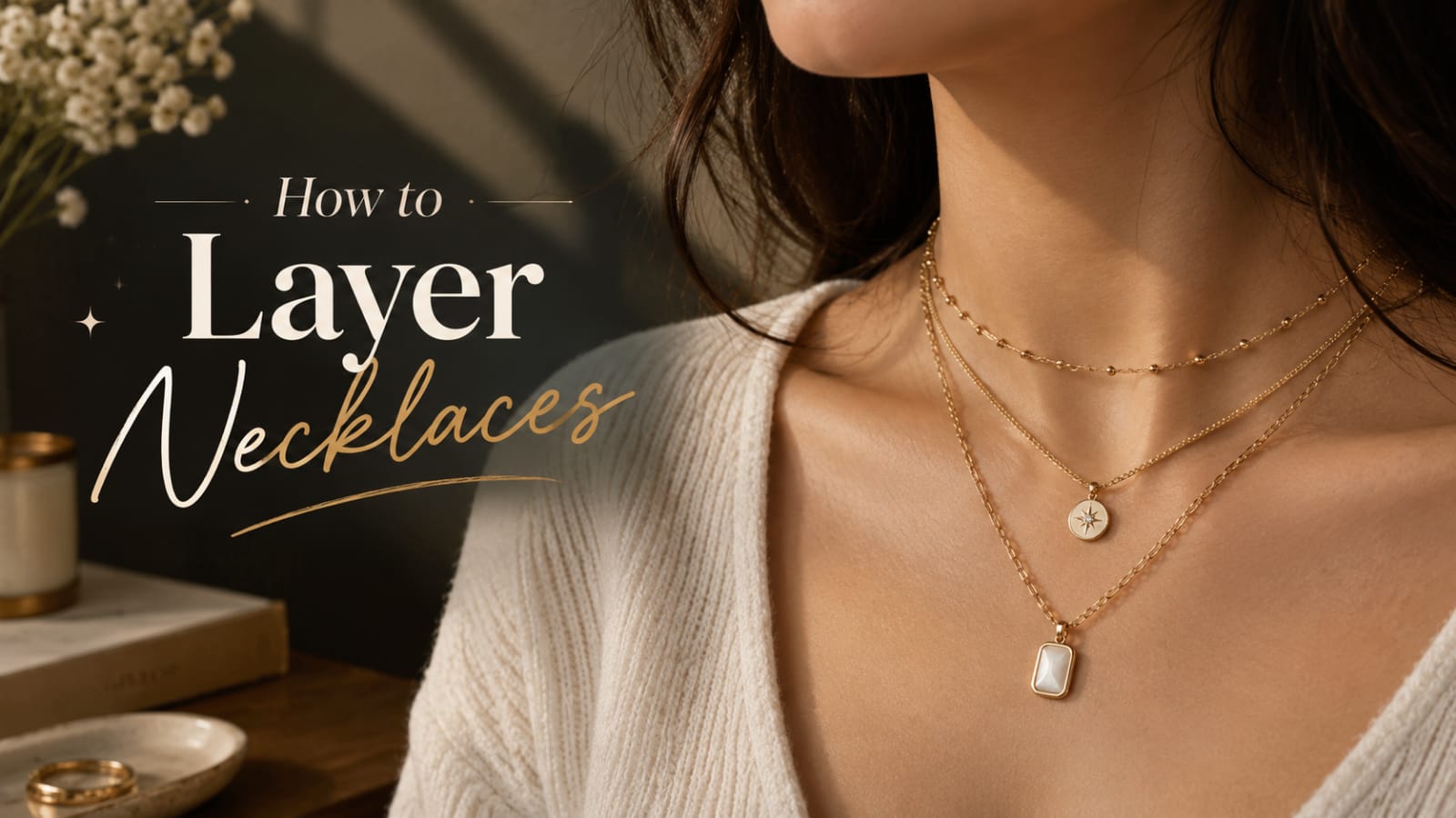
Layering necklaces is an easy way to make any outfit look more stylish, elegant, and thoughtfully put together. By combining different chain lengths, pendant styles, and textures, you can create a personalized jewelry look that feels effortless rather than overwhelming.
Whether you prefer delicate gold chains, silver jewelry, meaningful pendants, or bold statement pieces, the secret to layering necklaces is creating balance. Each necklace should complement the others while adding something unique to the overall look.
From everyday minimalist combinations to glamorous evening styles, these five necklace-layering ideas will help you build beautiful combinations for any occasion.
1. Start with Three Different Necklace Lengths

One of the easiest ways to learn how to layer necklaces is to start with three chains of different lengths. This creates a natural cascading effect that allows every necklace to stand out instead of sitting on top of the others.
For a classic combination, choose a short chain that rests near the collarbone, a medium-length necklace with a small pendant, and a longer chain that falls slightly lower on the chest.
The difference in length helps create visual separation and gives your jewelry a balanced appearance. You can wear this combination with a simple T-shirt, a scoop-neck top, or an open-collar shirt.
How to create this look:
- Choose a short chain around 14–16 inches.
- Add a medium necklace around 17–20 inches.
- Finish with a longer chain around 22–24 inches.
- Keep the pendants small and delicate for a minimalist effect.
These measurements are starting points, not strict rules. Necklace lengths can sit differently depending on your neck, body proportions, and neckline.
Gold chains create a warm, coordinated look, while silver chains offer a cooler, modern finish. If you are new to necklace layering, three lightweight pieces are usually easier to style than several heavy necklaces.
2. Mix Different Chain Textures

Mixing chain textures is a simple way to make layered necklaces look interesting without relying on large pendants or bold colors. Even when every necklace is gold, different chain designs can create depth and dimension.
For example, pair a fine cable chain with a paperclip chain and a delicate twisted chain. Each piece has a different texture, but the shared metal color keeps the overall combination cohesive.
You can also combine a smooth, simple chain with a slightly chunkier link necklace. This creates contrast while maintaining a polished appearance.
Popular chain combinations include:
- Fine cable chain with a paperclip chain.
- Twisted chain with a smooth box chain.
- Delicate snake chain with a classic link chain.
- Thin gold chain with a slightly heavier curb chain.
The key is to avoid choosing pieces that are so similar in thickness and design that they blend together completely. A little contrast makes each necklace more noticeable.
Textured chains work particularly well with plain tops, knitwear, button-down shirts, and simple dresses. They add interest to your outfit without requiring additional accessories.
For an everyday look, choose two or three chains with different textures and stagger their lengths. Keep the overall weight comfortable so the necklaces are easy to wear throughout the day.
3. Layer Necklaces with Different Pendants

Pendant necklaces are perfect for creating a layered look that feels personal and expressive. Instead of wearing several plain chains, you can combine small charms, coin pendants, gemstones, or meaningful symbols.
The trick is to vary the pendants’ size and position. A tiny charm on a short chain, a medium pendant in the center, and a longer necklace with a slightly larger detail can create a beautiful visual arrangement.
If you want an understated look, choose delicate pendants with similar finishes. For something more individual, combine a sentimental charm with a gemstone or a modern geometric pendant.
Pendant combinations to try:
- A tiny heart charm with a coin pendant.
- A small gemstone with a simple gold bar.
- A delicate initial necklace with a plain chain.
- A celestial charm with a minimalist pendant.
- A pearl pendant with fine gold chains.
When styling multiple pendants, pay attention to where each one rests. If two pendants sit at exactly the same height, they may overlap or compete for attention. Different chain lengths help keep them visually separate.
This style is especially beautiful with V-neck tops, open shirts, square necklines, and simple dresses. It also makes a thoughtful everyday jewelry combination because you can incorporate pieces that have personal meaning.
For the most cohesive result, choose one pendant as the focal point and let the remaining necklaces provide subtle detail.
4. Mix Gold and Silver Necklaces

You do not have to stick to one metal color when layering necklaces. Combining gold and silver can create a contemporary look that feels intentional, versatile, and fashion-forward.
The secret is to repeat the mixed-metal combination elsewhere in your accessories or outfit. For example, you could wear layered gold and silver necklaces with mixed-metal earrings, a two-tone watch, or simple rings that include both finishes.
Start with two gold chains and one silver chain, or reverse the combination if you prefer silver jewelry. Using one metal as the dominant color helps the overall look feel coordinated rather than random.
Tips for mixing metals:
- Combine different metal colors at varied lengths.
- Repeat at least one metal elsewhere in your accessories.
- Keep the chain styles relatively simple for everyday wear.
- Use a mixed-metal pendant to connect the two colors.
- Experiment with warmer gold and cooler silver finishes.
Mixed-metal necklaces look particularly good with black, white, gray, denim, and monochromatic outfits. They can also complement colorful clothing without adding another competing color.
If you are unsure how to begin, try a gold pendant necklace with a simple silver chain. This small contrast is an easy introduction to mixed-metal styling.
Remember that jewelry does not have to match perfectly to look stylish. A thoughtfully balanced combination can feel more personal than a perfectly coordinated set.
5. Layer Necklaces for Different Necklines

Your clothing’s neckline plays an important role in how your layered necklaces look. The right combination can frame your neck beautifully, complement your outfit, and make each necklace easier to see.
Rather than choosing necklaces first and hoping they work with your outfit, consider the neckline when planning your jewelry.
For a V-neck: Choose layered necklaces that follow the shape of the neckline. A short chain with a longer pendant necklace creates a natural vertical line.
For a crew neck: Short chains and collarbone-length necklaces work well above the neckline. Alternatively, wear a longer pendant necklace over a plain top for contrast.
For a square neckline: Try delicate chains with small pendants that sit just above the neckline. This creates a balanced look without overcrowding the open space.
For an off-the-shoulder top: A short, delicate necklace or a combination of two fine chains highlights the collarbone beautifully.
For a button-down shirt: Wear layered necklaces inside an open collar or over the shirt for a more relaxed styling approach.
The most important rule is to leave enough visual space between the jewelry and your clothing. When necklaces sit too close to a neckline, the entire look can appear crowded.
If you wear a patterned or heavily detailed top, choose simpler necklaces. With a plain top or dress, you have more freedom to experiment with layered chains, pendants, and textures.
Common Necklace Layering Mistakes to Avoid
Even beautiful necklaces can look untidy when they are not balanced properly. A few small adjustments can make your jewelry more comfortable and visually appealing.
- Choosing identical lengths: Similar lengths can cause necklaces to overlap. Use adjustable chains or extenders to create separation.
- Adding too many heavy pieces: Several chunky necklaces can feel uncomfortable and overwhelm your outfit. Mix lighter chains with one substantial piece instead.
- Ignoring your neckline: Make sure the necklaces complement your clothing rather than disappearing beneath it.
- Overloading pendants: Too many large charms can compete for attention. Choose one focal pendant and keep the others subtle.
- Forgetting about tangling: Lightweight chains may twist together during the day. Layering pieces with different weights and link styles can help, although it will not prevent all tangling.
You can also use necklace layering clasps, which attach multiple chains at the back and help keep their positions more consistent. Store delicate necklaces separately when possible to reduce knots and scratches.
Final Thoughts
Learning how to layer necklaces is all about experimenting with lengths, textures, pendants, and metal colors. Start with two or three pieces, create visible separation between them, and choose combinations that complement your clothing and personal style.
For a timeless everyday look, try three delicate gold chains in different lengths. If you want more texture, mix chain styles. For a personal touch, incorporate meaningful pendants, or experiment with gold and silver for a modern finish.
Most importantly, there are no strict rules. The best layered necklace combination is one that feels comfortable, suits your outfit, and reflects your individual style.

David Walker
David Walker is a seasoned writer with extensive experience covering a wide range of topics across various industries. From insightful tech reviews to lifestyle tips, motivational pieces, and food diaries, David brings an informed perspective to everything he writes. His passion for storytelling and deep understanding of global trends make him a versatile contributor to any discussion. Whether it’s business, technology, freelancing, or events, David delivers valuable content that resonates with diverse audiences.